
Cleaning Stone in the Railroad City
Lafayette is dirty. We have trains running through the middle of town and the Wabash River right next to it. That means soot and humidity.
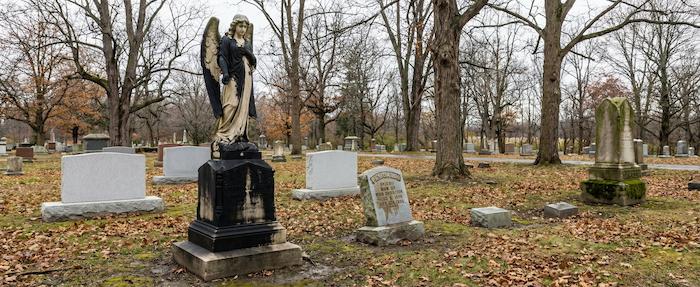
If you walk through Greenbush or Spring Vale, you see the result. Limestone turns black from years of locomotive smoke. Granite turns green from river algae. Families searching for headstone cleaning services near me often think the stone is permanent damaged. Usually, it is just covered in layers of grime. We strip off the carbon and the moss to show the original stone.
Railroad Soot and Iron Dust
Trains have smoked out this town for 150 years. That carbon sticks to the monuments. Older stones are coated in black coal soot. Newer ones get hit with diesel exhaust.
We also deal with iron dust from the tracks. It floats in the air, lands on the stone, and rusts. It leaves orange streaks that you can't scrub off. We use a specialized cleaner that eats iron particles. We wash the rust out of the pores. For the black soot, we use a chemical poultice. It pulls the carbon out of the rock so we can rinse it away.
River Moss and Algae
The river keeps the air wet. In shaded cemeteries like St. Joseph, the stones stay damp.
Green algae covers the granite. Thick moss grows on the limestone caps. This holds water like a wet rag. That freezes in winter and cracks the stone. We don't scrape the moss; that scratches the marker. We soak it in a biocide. It kills the spores. The dead moss falls off on its own.
Farming Dust
Tippecanoe County is surrounded by corn and soy fields. When combines run in the fall, the air is full of dirt. That dirt lands in the cemeteries.
It mixes with dew and dries into a muddy film. It fills in the lettering. It makes polished granite look flat. We use a masonry detergent to break down the dirt binder. We strip the film off and the stone shines again.
Sinking in River Bottom Soil
The ground near the river is silt. It is soft. Heavy monuments sink here. We see headstones that have dropped six inches. The dates are underground.
Lifting them isn't enough. If you put them back on dirt, they sink again. We dig the hole out and fill it with angular gravel. The gravel locks together. It drains water and holds the weight. We set the stone back up, and it stays level.
Repairing "Sugaring" Limestone
Many pioneer markers in Greenbush are made of soft local limestone. Acid rain makes them crumble. The surface feels like sand.
You cannot scrub these stones. Any friction rubs the lettering off. We clean them with low pressure and soft brushes. We remove the black mildew that eats the stone. Then we apply a hardener. This liquid soaks into the stone and binds the grains together.
Bronze Veteran Markers
We see a lot of bronze markers in the memorial parks. The humidity turns them green. The clear coat peels off.
We fix this by hand. We strip the old coating and the corrosion. We polish the raised letters and background. Then we apply a new high-grade clear coat. It seals the bronze and keeps the gold color looking right.
Service Costs in Lafayette
The price varies. Cleaning a flat marker is cheaper than excavating a sunken monument. We inspect the site to give you a firm price.
- Soot Removal: Stripping coal and diesel grime.
- Leveling: Raising sunken markers on a gravel foundation.
- Biological Cleaning: Killing moss and algae near the river.
- Rust Removal: Dissolving iron stains from rail dust.


