
Restoring History Along the White River
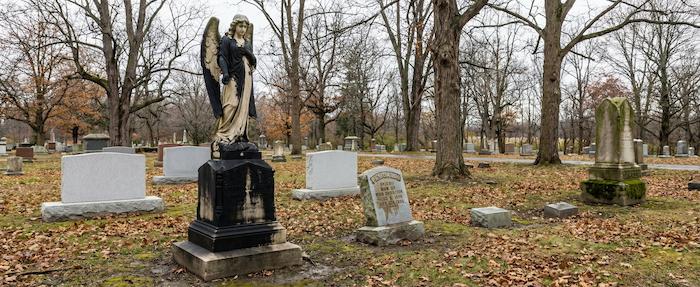
The White River defines this town. It also wrecks the cemeteries. It floods the low ground and keeps the air thick with moisture. That humidity rots the stone in Riverside and Crownland.
We see two extremes here: huge historic monuments in town and forgotten pioneer plots in the woods. The historic stones turn black from river mold. The pioneer stones get swallowed by brush. Families searching for headstone cleaning services near me often just want to locate the grave. We cut back the overgrowth, strip off the river grime, and keep the history visible.
River Silt and Flood Mud
Riverside Cemetery floods regularly. When the water goes down, the muck stays behind. The sun bakes it onto the stone until it is solid.
This silt fills in the dates and names. It won't brush off. Scrape it dry, and you scratch the polish. We have to soak the silt to loosen it up. We wash the mud out of the letters with low pressure. We clear the inscription without damaging the stone surface.
Black Mold on Historic Limestone
Crownland is full of porous limestone. The river humidity feeds black mold that grows deep inside the rock.
The stone looks burnt or charred. A pressure washer ruins this old soft stone. It blasts the surface away. We use a biological cleaner. It soaks in and kills the spores inside the pores. We scrub it and rinse it. As it dries in the sun, the stone bleaches back to white.
Sinking in the Flood Plain
The ground near the river is soft silt and sand. Heavy monuments sink deep. We find headstones where the bottom dates are completely underground.
We pull these stones up. Putting them back on mud is a waste of time. We dig the hole deeper and fill it with angular gravel. The gravel locks together. It drains the water and gives the stone a solid platform that won't sink.
Overgrown Pioneer Plots
Hamilton County has dozens of small family cemeteries hidden in the trees. Vines, briars, and saplings overrun these plots. Roots tip the stones over.
We do excavation work here. We cut back the brush to find the markers. We cut vines at the base and let them die before removal. Pulling a live vine can snap an old tablet. We clear the ground, level the stone, and then clean it.
Lichen on Rough Granite
In the shaded parts of town, lichen attacks rough-cut granite. It grows in gray and green patches that dig into the rock.
Scraping lichen dry takes pieces of granite with it. We spray it with a biocide first. The lichen dies and releases its grip. Then we scrub it off. This gets the stone clean without ruining the rough texture.
Construction Dust
Construction in Noblesville kicks up a lot of dust. That limestone dust lands on the monuments and gets wet. It turns into a gritty gray shell.
This grime dulls the polish on modern markers. Regular rain just streaks it. We use a specialized cleaner to loosen the grit. We strip the gray film off so the granite shines again.
Service Costs in Noblesville
The price depends on the site. Clearing brush to reach a stone costs more than walking up to one in a maintained park. We need to see the location to give you a price.
- Deep Cleaning: Stripping river mold and flood silt.
- Leveling: Raising sunken stones in soft river soil.
- Brush Clearing: Removing vines and overgrowth from pioneer plots.
- Repairs: Fixing broken tablets and resetting loose bases.


