
Cleaning Historic Limestone and Removing Red Clay in Murfreesboro
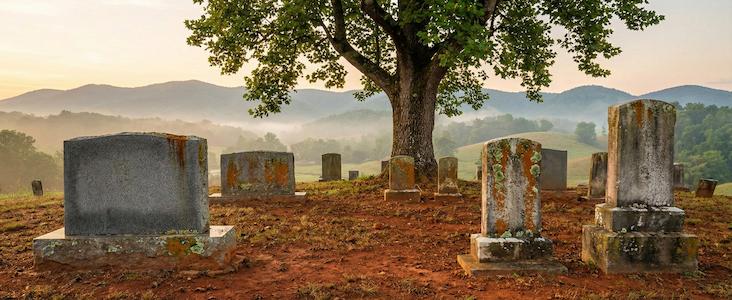
Murfreesboro sits on solid limestone. That is the stone they used for the historic markers in Evergreen Cemetery. This local rock is soft and porous. It holds water like a sponge. That dampness feeds heavy black mold and algae. We see white tablets that have turned solid black. This isn't just surface dirt. It is a living infestation that roots deep into the rock and eats the binder.
The soil here is the other problem. Rutherford County is covered in heavy red clay. When it rains, that red mud splashes onto the base of the monuments. It soaks right in. A garden hose won't touch it. The iron in the clay dyes the stone deep orange. Families searching for headstone cleaning services near me call us to kill that black mold on their historic limestone and to pull those stubborn clay stains out of the granite.
Killing Black Algae on Soft Stone
The old limestone and marble markers in Murfreesboro are fragile. If you hit them with a pressure washer, you will blow the inscription right off the face. You turn the stone surface into gravel. Scrubbing with a wire brush creates scratches that just catch more dirt later.
We clean it by killing the growth. We saturate the stone with a biocide. It soaks deep into the pores and kills the roots of the algae. The black stain dies and turns brown. We rinse it away with low pressure. The stone gets white again because the growth is gone, not because we scraped a layer off.
Extracting Red Clay Stains
The red clay here dyes everything it touches. It wicks up from the wet ground into the porous base of the headstone. Scrubbing is useless because the orange color is buried deep in the stone pores.
We apply a thick paste to suck the stain out. We smear the cleaner over the orange banding. It sits there and pulls the iron pigment out of the rock. We wash the dried paste away, and the stone looks grey again.
Leveling Stones in Shifting Soil
The ground in Murfreesboro shifts a lot. We have sinkholes and limestone ledges that make the soil unstable. We see heavy monuments tipping over because the dirt under them washed into a void.
We fix this by digging. We hoist the stone and remove the bad soil. We fill the hole with crushed angular gravel. We pack it tight. Gravel allows water to drain without washing out. We reset the monument on this solid pad. It stays level even when the ground around it gets soggy.
Consolidating "Sugaring" Marble
We see a lot of "sugaring" on the Civil War era markers. The surface of the stone crumbles like sand when you touch it. This happens when the binder in the marble dissolves from acid rain and age.
We stop the rot. We apply a consolidator fluid. It soaks into the crumbling stone and hardens. It glues the sand grains back together. This doesn't fix the missing pieces, but it stops the lettering from falling off in the next storm.
Restoring Bronze Markers
The humidity here destroys the protective coating on bronze markers. Once that seal breaks, the metal oxidizes. It turns green and looks neglected.
We restore them right at the grave. We strip the corrosion down to the bare metal. We sand the lettering to make it pop against the background. We heat the bronze to remove moisture, then spray a heavy-duty industrial sealer. It stops the oxidation and keeps the marker looking polished.
Repairing Mower Scuffs
Landscapers run tight to the stones. They hit the corners. We see black rubber marks and chipped granite edges.
We wipe the rubber marks off with a solvent that melts the tire residue. For chips, we use diamond files. We grind the sharp, broken edge into a smooth bevel. It looks finished and stops the mower from catching that same jagged spot again.
Service Costs in Murfreesboro
We have flat-rate pricing for Murfreesboro, Smyrna, and La Vergne. We don't need to visit the cemetery to give you a price. Check our subscription builder to see the exact cost for your plot.
- Biological Cleaning: Killing black mold on limestone/marble.
- Clay Removal: Extracting red soil stains.
- Leveling: Stabilizing monuments in shifting soil.
- Consolidation: Hardening crumbling historic stone.


