

The Constant Wind (Natural Sandblasting)
Wyoming wind carries grit. It hits the monuments constantly. It strips the paint right out of the engravings.
On older stones, this wind wears the polish off the facing side. The stone ends up dull and rough. Families often think it's just dirt. It isn't. The finish is eroded. We clean the pores to get the dust out. Then we re-paint the lettering with high-endurance industrial enamel. It bonds tight and handles the abrasive wind better than the original factory paint.
Frost Heave and Ground Movement
The ground here freezes solid, often several feet deep. This creates frost heaves. The ice lifts heavy monuments right out of the soil.
When the ground thaws in spring, the stone drops, but it rarely lands straight. We see monuments leaning dangerously. We provide grave stone cleaning services that include leveling. We excavate the failed foundation. We backfill the hole with deep, angular gravel. This creates a drainage layer. The water drains out before it can freeze, so the ground stops moving under the stone.
Range Livestock and Wildlife Damage
Range cattle and deer get into the rural cemeteries. They use the headstones as rubbing posts.
Heavy livestock chip the granite corners when they rub against them. They leave behind heavy, greasy oils from their coats. This oil soaks deep into the stone pores. We chemically strip the oil with an enzyme wash. Then we fix the physical damage. We use diamond pads to grind the jagged chips back to a smooth, stable surface.
High Altitude Sun Burn
At this elevation, the UV rays cut right through the thin air. The sun burns the contrast right out of the granite.
A shiny black headstone turns into a flat, gray rock. The lettering fades until you can't read it. We treat the stone with a non-sealing conditioner. It restores the deep color without trapping heat inside the rock. We restore the contrast so the name stands out clearly again against the landscape.
Irrigation Mineral Scale
Where there is grass in Wyoming, there is hard water irrigation. The water evaporates fast in the dry wind. It leaves a hard white crust of calcium behind.
It creates a "white mask" over the lower half of the stone. It is as hard as cement. Scraping it damages the granite. We use a buffered acid solution. It dissolves the minerals on contact. We rinse it heavily to leave the stone clean and free of that chalky haze.
Pioneer Sandstone Erosion
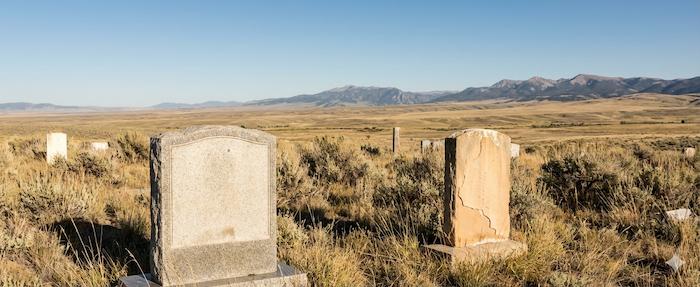
Historic sandstone markers are common here. The stone is soft. It peels apart in the weather.
Wind and freeze-thaw cycles make the stone layers separate. People searching for grave site cleaning services often make the mistake of scrubbing these. That rubs the history right off the face. We don't scrub. We use a chemical consolidant. It soaks into the stone and hardens the loose grains. It stops the peeling and saves the inscription for the next generation.