Orchard Harvest Fallout
When the shakers hit the almond trees, the air turns brown. This dust is oily. It coats everything. It hits the headstones and turns into a gummy residue.
Rain turns this dust into heavy sludge. It doesn't wash off. It seals the stone tight. Brushing it just smears the grit into the polish. We use grave site cleaning services with heavy-duty surfactants. We wash away the harvest grime without scratching the granite.
This fallout is a mix of topsoil, tannins, and nut oils. Under the valley sun, it cooks into a varnish. This seal traps heat inside the granite. The stone overheats and hazes from the inside out. We break this seal chemically.
Standard soap cannot cut through this bio-film. It requires a chemical degreaser that targets plant lipids. We apply a foaming agent that lifts the oil out of the stone's pores. Once the oil bond breaks, the dust rinses away freely. We restore the stone’s shine without using abrasive pads that damage the finish.
Tule Fog and Deep Moss
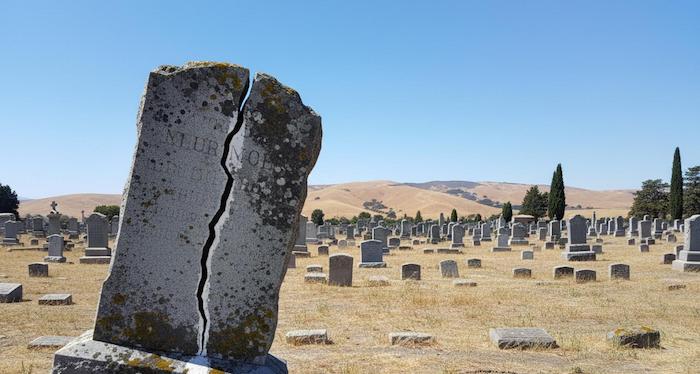
Winter here is wet. The Tule fog sits on the ground for weeks. The stone never dries out. This feeds aggressive green moss and lichen that root into the engravings.
It looks like the stone is turning green. If you try to scrape it dry, you ruin the finish. We use biological cleaners in our headstone cleaning services near me protocols. We kill the spores deep in the pores so the stone stays clean through the damp season.
This isn't just a surface stain. Lichen eats rock. It pumps acid directly into the stone to dissolve the minerals. This acid destroys the polish. Even after we remove the growth, the surface remains rough and etched. The roots dig deep, physically prying the stone crystals apart.
Our protocol is a chemical kill. We soak the stone with a biocide that penetrates the engraving grooves. It destroys the root structure. We flush the dead organic matter out with low-pressure water. This neutralizes the acid attack immediately. We leave the surface clean and sterile, preventing regrowth during the long, foggy winter months.
Irrigation Calcium Crust
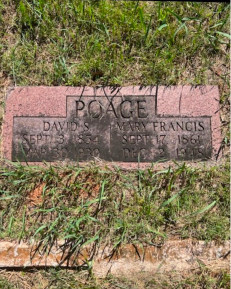
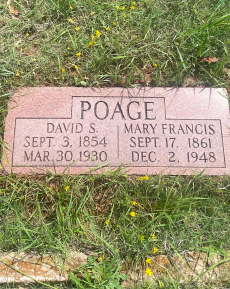
To keep the grass alive in summer, parks water heavily. The local water is full of minerals. It leaves a hard white scale on flat markers. It looks like concrete splatter.
This buildup covers the name. If you use a scraper, you scratch the stone permanently. We use professional cleaning stone gravestones solvents to dissolve the calcium bond chemically. We melt the crust away to reveal the dark polish underneath.
This crust forms when hard water hits a monument baking at 100 degrees. The water flashes off into steam instantly. The calcium and magnesium solids stay behind, fused to the granite by the heat. Layer by layer, this builds a rock-hard deposit that obscures the memorial's history.
We treat this with a calcium-specific descaler. It attacks the mineral bond, not the stone. The crust turns into a soft paste. We rinse it away. This restores the contrast between the polished face and the inscription, making the marker legible again without mechanical damage.