Urban Heat Trap & Baked Mold
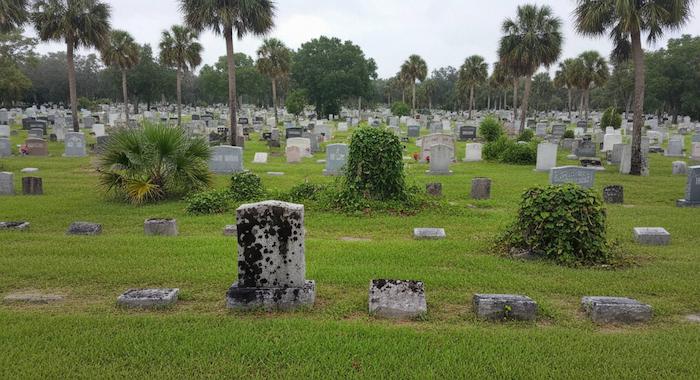
Fountainbleau is dense concrete. It holds heat all night. The air stays hot and wet. Granite markers act like thermal batteries. They absorb moisture and cook it into the stone pores. This breeds aggressive Gloeocapsa magma (black algae).
You see a thick, oily skin on the stone. It traps heat. It hides the name.
Searching for headstone cleaning services near me often points to pressure washing. Dangerous. Cold water on super-heated stone causes thermal shock. The granite snaps. We use specialized grave site cleaning services. We use a biological soaking agent. It penetrates safely. It kills the algae cells chemically. The black crust falls off.
Canal Water Irrigation Scum
Local cemeteries pump water from urban canals. It is full of runoff, oil, and minerals. Sprinklers hit the hot stone. The water evaporates. It leaves a hard grey film.
This scum ruins the shine. Scrubbing scratches the stone. We use professional cleaning stone gravestones chemistry. We use a buffered cleaner. It dissolves the mineral bond safely. We rinse it away, restoring the mirror finish.
High Water Table Flooding
The water table here is inches down. Heavy rains flood the ground instantly. The soil turns to soup. Monuments sink or tilt in the mud.
Adding dirt fails; the stone pushes it down. For proper tombstone repair and restoration, we stabilize the sub-base. We dig out the wet muck. We install angular gravel. The rocks lock together. They create a friction pile. This supports the weight, even in flooded soil.
Airport Soot & Exhaust
Fountainbleau is near MIA. Planes and highway traffic dump exhaust soot. It creates a greasy black film on the markers. It bonds with the algae.
Soap won't cut this grease. We use industrial degreasers safe for stone. We lift the soot out of the pores. We seal the stone to stop future staining.