
Everglades Stagnation & Black Algae
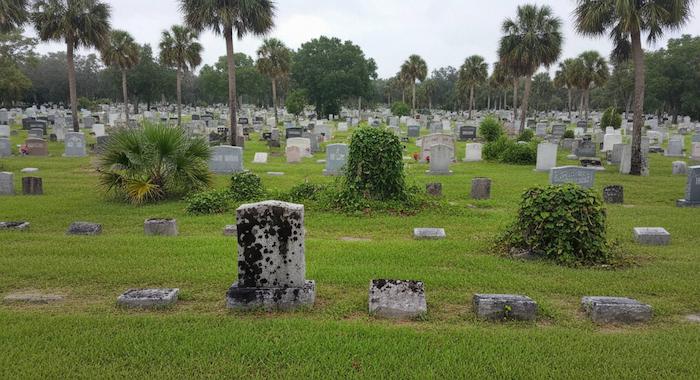
Homestead is stagnant. The breeze stops at the sawgrass. Heat hangs heavy here. Granite markers get wet and stay wet. The heat cooks the moisture into the stone. This breeds aggressive Gloeocapsa magma (black algae).
You see a thick, oily skin. It ruins the stone.
Searching for headstone cleaning services near me often suggests pressure washing. That breaks hot stone. High pressure drives water deeper. It feeds the roots. We use specialized grave site cleaning services. We use a biological soaking agent. It penetrates safely. It kills the algae cells chemically. The black crust falls off.
Redland Clay Dust
This is farm country. The wind blows "Redland dust." It is high-iron clay. It lands on markers and rusts into the pores immediately.
Soap spreads the stain. It does not remove it. We use professional cleaning stone gravestones chemistry. We apply a chelating paste. It breaks the clay bond. It pulls the red iron particles out. We rinse it away.
Marl Soil Instability
The ground here is Marl. It is grey clay. Rain turns it to liquid mud. Sun turns it hard like concrete. This movement breaks foundations.
The monument sinks. It tilts. Adding dirt fails; the stone pushes it down. For proper tombstone repair and restoration, we stabilize the base. We dig out the clay. We install angular gravel. The rocks lock together. They support the weight, even in wet clay.
Hard Water Calcium
Irrigation water here is hard. It is full of calcium. It dries on the stone. It leaves a white crust.
This hides the polish. Scrubbing scratches the stone. We use a buffered acidic cleaner. It dissolves the calcium bond safely. We flush it away. The shine returns.