Inland Heat & Humidity
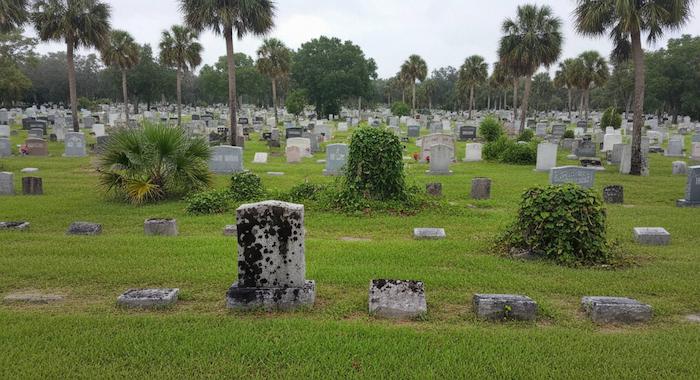
Kendale Lakes sits inland, near the Everglades. The ocean breeze stops before it gets here. Heat builds up. Humidity from the local lakes hangs heavy on the grass. Granite markers absorb this moisture. They stay wet deep inside. This feeds Gloeocapsa magma (black algae).
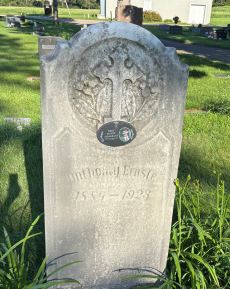
You see a black skin on the stone. It traps heat. It hides the name.
Searching for headstone cleaning services near me often points to pressure washing. Dangerous. Cold water on super-heated stone causes thermal shock. The granite snaps. We use specialized grave site cleaning services. We use a biological soaking agent. It penetrates safely. It kills the algae cells chemically. The black crust falls off.
Oolite Bedrock Shifting
The ground here is thin soil over Oolite limestone. The rock is jagged. Heavy rain washes the topsoil down into the rock voids.
The monument loses support. It tilts against the uneven rock. Adding dirt fails; it washes right through. For lasting tombstone repair and restoration, we stabilize the sub-base. We create a level pad using crushed gravel. This friction pile sits flat over the jagged bedrock. It stops the rocking.
Hard Water Calcium Scale
Cemeteries here irrigate from the limestone aquifer. The water is full of calcium. When sprinklers hit hot stone, the water evaporates instantly. It leaves a hard white crust.
This scale dulls the polish. You cannot scrape it off without scratching the stone. We use professional cleaning stone gravestones chemistry. We use a buffered acidic cleaner. It dissolves the mineral bond safely. We rinse it away, restoring the shine.
Ficus Canopy & Lichen
Many local cemeteries have large Ficus or Banyan trees. They create deep shade. This encourages thick lichen growth. The roots dig into the stone face.
Pressure washing rips the stone surface. We use a biological inhibitor. It kills the lichen at the root. The growth dries up and falls off, leaving the stone intact.