Inland Humidity Trap (Bio-Film)
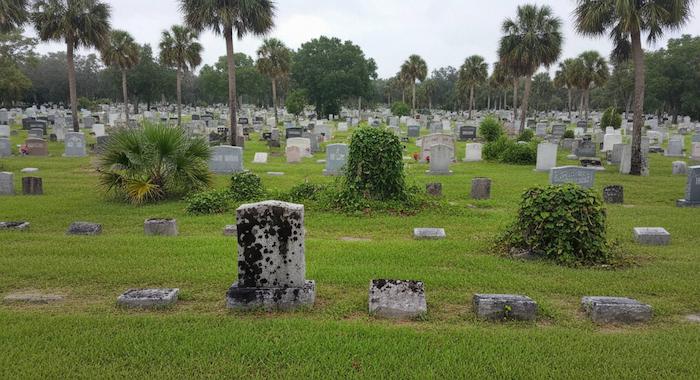
Orlando has no coastal wind to dry things out. The air just sits here, heavy and wet. Stone markers act like sponges. They soak up this moisture and stay damp inside 24/7. This constant wetness breeds thick black algae (Gloeocapsa magma).
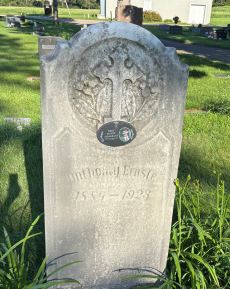
It grows fast. It digs roots into the stone pores. It forms a hard, black scab over the inscription. You cannot read the dates.
If you are searching for headstone cleaning services near me because the marker is black, do not use a pressure washer. You will blast the face off the stone. The algae roots stay safe inside the wet rock. We use industrial grave site cleaning services with soaking agents. We saturate the stone. The fluid goes deep into the rock to kill the roots where they hide. The stone stays clean because the organism is dead.
"Sugar Sand" Washout
The ground here is fine silica, or "Sugar Sand." It is loose. It creates no friction. When Orlando gets heavy afternoon rain, the ground turns into soup. The sand flows like a liquid.
Heavy granite monuments cannot float in this sludge. They sink. They tilt sideways or slide downhill. If you need tombstone repair and restoration, dumping more dirt in the hole is a waste of money. We excavate the unstable sand. We install a base of angular gravel wrapped in fabric. This creates a solid friction pile. It supports the weight even when the sand turns to mud. Our cemetery plot maintenance crews check for this shifting after every storm season.
Lightning-Induced Acid
Orlando sees more lightning than anywhere else in the country. Lightning charges the air with nitrogen. Rain washes it down as acid. When this hits marble, the stone melts.
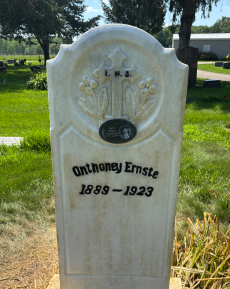
The acid eats the natural glue holding the stone grains together. The surface gets rough. It feels like sandpaper. We call this "sugaring." If you scrub it, the lettering falls off. We combat this using specialized cleaning stone gravestones fluids. We apply liquid hardeners. They soak into the rotting surface. They glue the sand grains back together and stop the stone from dissolving.
Bronze Pitting
Even without salt spray, bronze markers rot here. The humidity puts a wet film on the metal. Pollutants get trapped in that film. They create small battery cells on the surface.
This eats the copper right out of the alloy. You see rough, green spots ("verdigris"). This consumes the metal and ruins the detail. We use specific cleaning bronze cemetery markers techniques. We strip the green oxidation chemically. We apply a hard wax or lacquer sealant. This creates a waterproof shield. It keeps the damp air off the metal and stops the corrosion.