
Redland Agricultural Dust
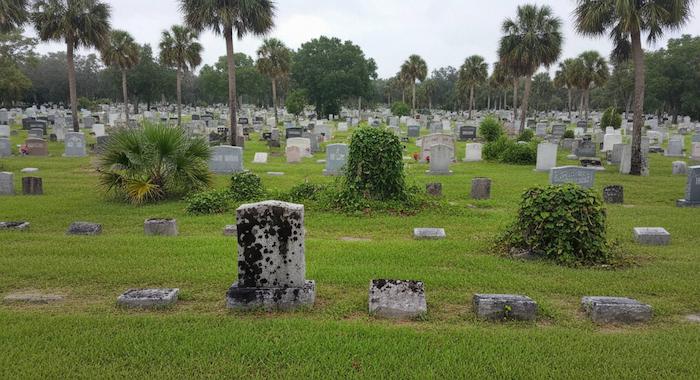
Princeton borders the Redland farming district. The wind carries fine dust from the fields. This dust is loaded with nitrogen and phosphorus (fertilizer). It settles on the markers.
When it rains, this dust turns into a nutrient paste. It feeds aggressive algae and lichen growth. It acts like super-fuel for biological stains.
Searching for headstone cleaning services near me often points to pressure washing. Dangerous. High pressure drives these nutrients deeper into the stone pores. We use specialized grave site cleaning services. We use a biological soaking agent. It kills the growth and neutralizes the nutrients chemically. The stone stays clean longer.
Oolite Rock Instability
The ground here is thin soil over jagged Oolite limestone. There are natural holes in the rock. Rain washes the topsoil down into these voids.
The monument ends up balancing on sharp rock points. It rocks back and forth. Adding dirt fails; it washes away. For lasting tombstone repair and restoration, we stabilize the sub-base. We create a level pad with crushed gravel. This friction pile sits flat over the jagged bedrock. It stops the rocking.
Marl Soil Calcium Haze
The soil in South Dade contains "marl." It is a calcium-rich mud. When irrigation water or rain splashes this soil onto the stone, it dries into a hard white cement.
This haze bonds to the polish. You cannot scrape it off without scratching the stone. We use professional cleaning stone gravestones chemistry. We use a buffered acidic cleaner. It melts the calcium bond safely. We rinse it away, restoring the shine.
Tropical Heat Stagnation
Princeton sits inland from the coast. The air is still and hot. Humidity hangs over the cemeteries. Granite markers absorb this moisture. They stay wet inside.
This creates a greenhouse effect for black mold (Gloeocapsa magma). You see a thick, dark skin. It traps heat. We use a biocide that penetrates the stone safely. It kills the root system. The black crust lifts off.