Salt Blasting (Granite Spalling)
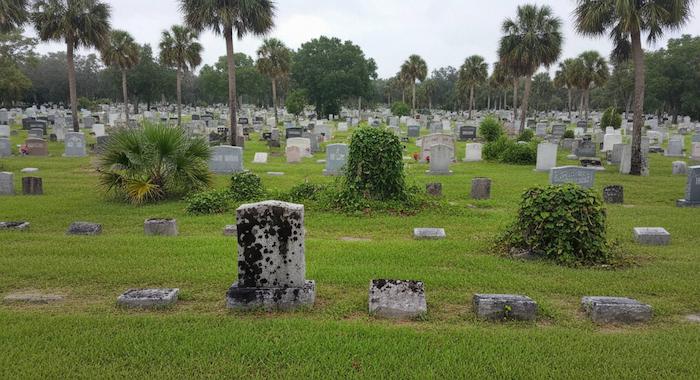
St. Petersburg air is thick with salt spray. This salt lands on granite headstones. Morning dew turns it into a liquid brine. This salty water soaks deep into the stone.
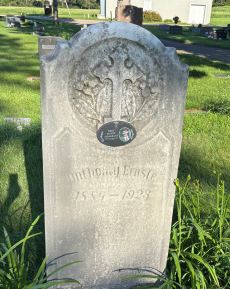
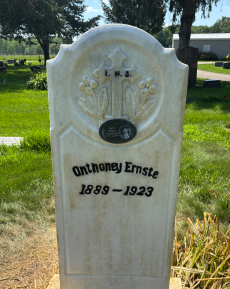
The sun dries the stone, but the salt stays trapped inside. It forms hard crystals. These crystals grow and push against the stone from the inside. They blast small flakes of granite off the face. The smooth polish turns rough and pitted.
If you are searching for headstone cleaning services near me because the stone feels rough or looks white, this is salt damage. Pressure washing makes it worse. It drives the salt deeper. We use specific chemical poultices. We apply a reactive paste that sucks the salt out of the stone. We rinse it away to stop the surface from breaking apart.
Bronze "Green" Corrosion
Salt air kills bronze. The clear coat on military markers fails fast here. Once the seal breaks, salt touches the copper inside the metal.
This creates green, fuzzy rot. This is active corrosion. It eats holes in the metal and destroys the lettering. We use specific cleaning bronze cemetery markers protocols. We chemically strip the green rot. We neutralize the salt to stop the metal loss. We apply a heavy-duty architectural lacquer. This seals the bronze and blocks the salt air from touching the metal.
Coastal Black Algae
Humidity here is relentless. Stone markers act like wet sponges. They hold moisture deep inside. This damp rock feeds thick colonies of black algae (Gloeocapsa magma).
The algae drives roots into the stone. It forms a hard, black scab over the inscription. Rain does not wash it off. If you scrub it, the roots stay alive inside the rock. We use industrial grave site cleaning services with deep-soaking biocides. We saturate the stone. The fluid goes deep into the pores. It kills the root system completely. The stone stays clean because the organism is dead.
"Shell Hash" Washout
The soil in St. Petersburg is often "Shell Hash." It is a mix of sand and crushed shells. It is very loose. Water runs right through it. During tropical storms, the ground becomes unstable.
Water washes the fine sand away. It leaves empty gaps between the shells. Heavy monuments sink into these holes. They tilt or slide sideways. Adding topsoil does not work because it washes right through the shells. If you need tombstone repair and restoration, we dig out the base. We install a pad of jagged gravel. This creates a solid platform. It holds the weight even when water rushes through the ground. Our cemetery plot maintenance teams check for this shifting regularly.
Sprinkler Stains (Sulfur & Iron)
Cemeteries use treated wastewater for sprinklers. This water is full of sulfur and iron. When it hits a headstone, it leaves heavy orange or white spots.
These minerals bake onto the stone in the sun. They form a hard scale that hides the polish. You cannot scrape it off without scratching the granite. We use specialized cleaning stone gravestones chemistry. We apply a buffered acidic gel. It melts the mineral scale back into a liquid. We rinse it away to show the clean, polished stone underneath.