Everglades Heat & Deep Mold
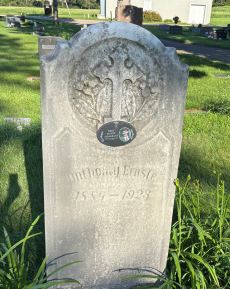
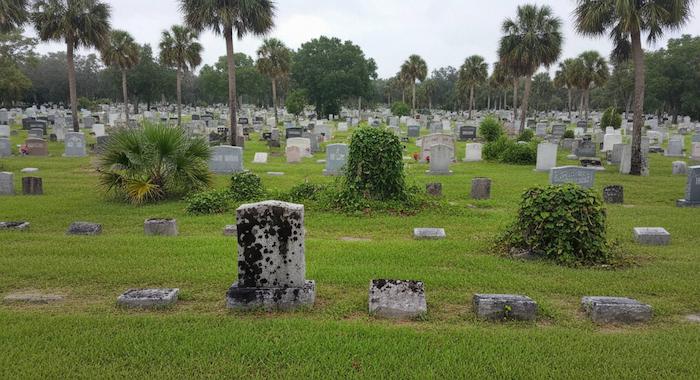
The Hammocks sits inland. The breeze stops at the sawgrass. Heat hangs heavy here. Granite markers get wet and stay wet all night. The heat cooks the moisture into the stone. This breeds aggressive Gloeocapsa magma (black algae).
You see a thick, oily skin. It traps heat. It hides the name.
Searching for headstone cleaning services near me often points to pressure washing. Bad idea. Cold water on hot stone causes thermal shock. The granite snaps. We use specialized grave site cleaning services. We use a biological soaking agent. It penetrates safely. It kills the algae cells chemically. The black crust falls off.
Oolite Bedrock Shift
The Hammocks is built directly on the Miami Rock Ridge. The dirt layer is very thin. Beneath it is jagged Oolite limestone. Rain washes the topsoil out.
The monument hits the rock unevenly. It tilts. It rocks. Dirt won't fix it. It washes away. For proper tombstone repair and restoration, we stabilize the base. We create a level pad using crushed gravel. This friction pile sits flat over the jagged bedrock and stops the rocking.
Hammock Canopy Stains
The Hammocks gets its name from dense tree islands. These massive canopies create deep shade. The shade breeds crusty lichen. Leaves also rot on flat markers, releasing tannic acid.
Lichen digs roots into the stone face. Pressure washing ruins the detail. We use specific solvents to dissolve sap and chemical inhibitors to kill lichen roots. The stone remains intact.
Hard Water Calcium Glaze
Irrigation water comes from the limestone aquifer. It is loaded with calcium. Sprinklers hit the stone. The sun dries it instantly. It leaves a hard white crust.
This hides the shine. You can't scrape it. We use professional cleaning stone gravestones chemistry. A buffered acid mix. It eats the calcium, not the stone. We rinse it. The mirror finish comes back.