Chain of Lakes Saturation
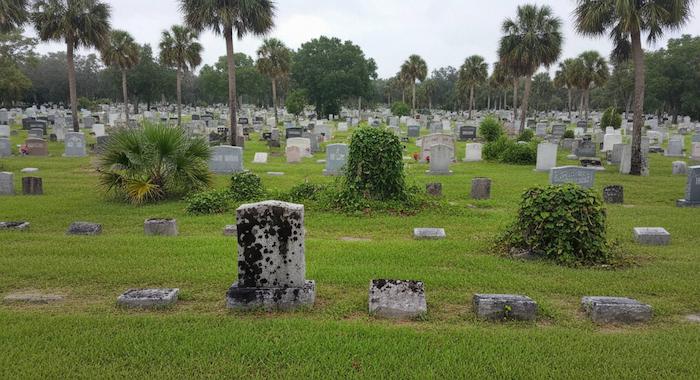
Winter Haven is surrounded by water. 50 lakes pump humidity into the air. The granite markers never dry out. They stay wet inside. This constant dampness feeds Gloeocapsa magma (black algae).
You see a black skin on the stone. It traps heat. It hides the name.
Searching for headstone cleaning services near me often points to pressure washing. Bad idea. High pressure drives water deeper into the saturated stone. It feeds the roots. We use specialized grave site cleaning services. We use a biological soaking agent. It penetrates the rock safely. It kills the algae cells chemically. The black crust lifts off.
Karst Void Sinking
The ground here is unstable. It sits on limestone full of holes ("Sinkhole Alley"). The sandy topsoil washes into these voids. Monuments sink.
The stone loses its footing. It tilts suddenly. Adding topsoil is a waste; it washes down into the limestone cracks. For lasting tombstone repair and restoration, we stabilize the sub-base. We excavate the loose soil. We install angular gravel. The rocks bridge the small voids. They lock together. They create a friction pile. This keeps the monument level even when the ground shifts.
Soil Nutrient Dust
The local soil is loaded with nutrients. Wind blows this dust onto the headstones. It acts like plant food. It feeds the algae and moss instantly.
When it rains, this dust turns into a paste that accelerates biological growth. We use professional cleaning stone gravestones chemistry. We clean the stone and apply a biocide that stays in the pores. This blocks the nutrients from feeding new growth.
Well Water Iron Stains
Cemeteries here irrigate from deep wells. The water is full of iron. When sprinklers hit the stone, the water evaporates. It leaves heavy orange rust streaks.
Scrubbing scratches the stone face. We use a chelating paste. It acts like a magnet. It pulls the iron particles out of the pores. We rinse it away. The stone looks new.