
Cleaning Pioneer Limestone and River Valley Mold in Topeka
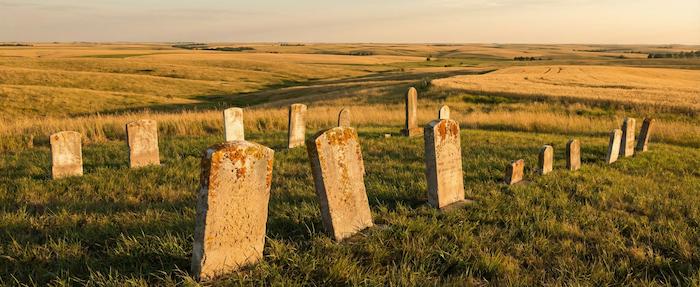
Topeka is home to the oldest cemeteries in Kansas. Topeka Cemetery sits on a hill, but it is full of massive trees. The river valley is humid. The stones stay wet in the shade. This breeds heavy mold. The historic markers turn pitch black, hiding the names of the city founders.
The other issue is the stone itself. Many markers from the 1860s are made of local limestone. It is soft. Over 160 years, the weather has turned the rock brittle. Families searching for headstone cleaning services near me call us because they are afraid to touch these stones. They know that scrubbing them might erase the inscription forever.
Stabilizing Crumbling "Sugar" Stone
Old limestone deteriorates. We call it "sugaring" because the stone turns to dust. If you run your hand over it, it feels like loose sugar. A pressure washer would destroy this instantly.
We clean these with zero abrasion. We spray a biocide onto the black mold. We let it dwell. It kills the roots inside the rock. We rinse it gently. We use very low pressure—less than a garden hose. The black slime washes away, but the soft stone doesn't dissolve.
Removing Black Tree Mold
In the shaded sections of Mount Hope and Topeka Cemetery, the sun never hits the markers. Black algae soaks into the granite. It creates a dark, heavy stain. It looks like the stone was burned in a fire.
Soap won't kill this deep growth. We use a biological cleaner that penetrates the rock. It kills the spores. The black stain turns brown, then fades away. It keeps the stone clean for a long time because we killed the root system.
Leveling Leaning Monuments
The ground in these old cemeteries has settled over the last century. We see massive upright monuments leaning dangerously. Gravity eventually pulls them over.
We fix the foundation. We dig out the sunken side. We hoist the monument upright. We pack the void with crushed rock and tamp it solid. We don't use concrete because it traps water. Gravel drains well and keeps the heavy stone stable.
Restoring Oxidized Bronze
Memorial Park has thousands of flush bronze markers. The Kansas sun burns the lacquer off. The metal reacts with the air and turns a patchy green.
We refinish them in place. We strip the failed coating and the corrosion. We use abrasive pads to bring the highlight color back to the letters and borders. We apply a new outdoor-rated clear coat. This seals the bronze and stops the oxidation.
Impacted Dirt in Engravings
On polished granite stones, the wind packs dirt into the letters. It mixes with tree sap and hardens. The inscription disappears.
We clean this out by hand. We soften the debris with steam. We use wooden or plastic picks to clear every letter. We flush it with water. The name becomes sharp and readable again.
Repairing Broken Tablets
In the pioneer sections, we find tablet stones snapped in half by falling tree limbs or mowers. The pieces are often lying in the dirt.
We reset them. We clean the break surfaces. We use monument-grade epoxy to bond the pieces. We clamp them tight. Then we pack the seam with mortar mixed to match the stone color. It isn't invisible, but the stone stands up again.
Service Costs in Topeka
Cleaning sugary limestone takes patience and expensive chemicals. Leveling a thousand-pound monument takes equipment. We need to see the stone to price it. Use our online pricing tool. Pick the cemetery, show us the stone, and we give you a quote.
- Biological Cleaning: Killing mold on fragile limestone.
- Leveling: Straightening leaning historic monuments.
- Bronze Care: Refinishing oxidized markers.
- Repair: Epoxying broken tablet stones.


