

Cleaning the Old Family Tombs
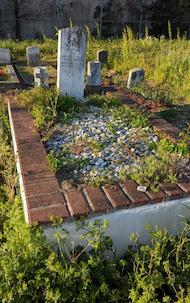
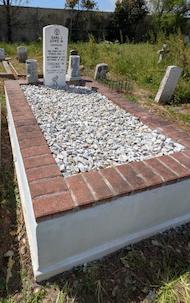
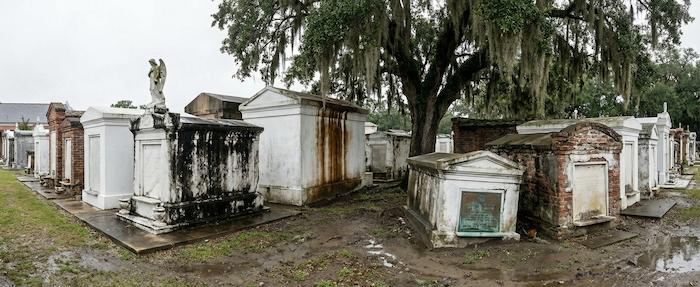
The historic tombs in Metairie and St. Louis cemeteries look tough, but they are fragile. Most people don't realize these aren't solid rock. They are just old, soft brick with a thin skin of plaster and whitewash.
That plaster is brittle. If you hit it with a pressure washer, you’ll blow chunks of it right off the brick. We don't use machines on these. We clean them by hand with soft bristles. We lift the years of grime off without hurting the whitewash or the old lime mortar underneath.
Humidity and Black Mold
The humidity hangs on everything down here. The stone sweats, and that constant wetness invites the mildew. You see white marble angels turn pitch black in no time because the mold eats right into the rock.
Scrubbing it is a waste of sweat. The mold roots are deep, and it just grows back. We use a biocide that soaks in and kills the growth completely. You can see the black stain turn orange as it dies. Then the rain washes it away, and the stone stays clean because there is nothing left to grow.
Live Oak Tannin Stains
Live Oaks and Spanish moss are everywhere here. They look nice, but they ruin stone. When rain hits that moss, it washes a dark, brownish tea right onto the headstone.
That streak looks like rust, but it comes from the tree. Bleach creates a disaster here; it sets the stain permanently. We use a specialized paste that sits on the stone. It sucks that brown discoloration right out of the rock so the marker looks like stone again, not old wood.
Mud Dauber Nests
Mud daubers are a plague in our cemeteries. They carry wet clay from the bayou and pack it into the lettering on the stones. When that nest dries, it is as hard as cement.
Scraping that dry mud just chips the granite. You have to re-hydrate it. We soak the nest until it turns back into soft slurry. Then we can wash it out of the letters. It takes time to clear every date and name, but it’s the only way to do it without wrecking the engraving.
Sinking in "Gumbo" Soil
The soil here is basically soup. It’s river silt and "gumbo" clay that holds water like crazy. When it rains, the ground turns soft, and heavy monuments just disappear into it.
We provide professional grave site cleaning services that include lifting and leveling. We don't just jack the stone up. We dig out the sludge and put down a stabilizer grid with crushed stone. We build a floating pad that keeps the marker on top of the mud so it doesn't sink again next season.
Green Corrosion on Bronze
The salt air and humidity eat bronze alive. The protective coating fails, and the metal starts to rot. It turns a chalky, sick green color.
That isn't a "patina"; it’s corrosion. We strip the rot off down to the bare metal. We polish the bronze until it shines, and then we lock that shine in with marine lacquer. That stuff is tough enough for boat hulls, so it handles the salt air without a problem.