

Historic Slate and Delamination
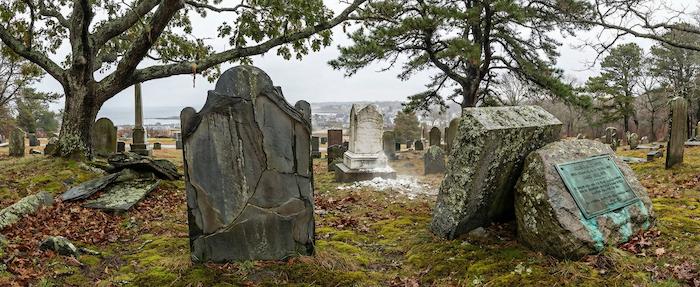
Our cemeteries hold some of the oldest history in the country, mostly carved on slate. Slate is durable, but it eventually splits apart like a deck of wet cards. Water gets into the thin cracks, freezes, and pops the layers open.
You can't just glue it back together; standard glue traps water inside and rots the stone faster. We clean out the dirt from the cracks and use a specialized grout that bonds the layers but still allows air to pass through. It stops the peeling without sealing moisture inside the stone.
"Sugaring" on Old Marble
The old industry in Lowell, Worcester, and Boston left a mark. Years of acid rain ate away the binder in the white marble stones. Now, the surface is loose and gritty. We call this "sugaring."
If you brush your hand against these stones, white dust comes off. That is the stone literally falling apart. A pressure washer will blow the face right off the monument. We soak the stone in a hardener that binds the grit back together. It stops the crumbling so the name stays readable.
The New England Frost Heave
Winter here throws stones around. The frost goes deep, lifts the base, and then drops it when the mud thaws in April. It never drops it back straight.
We see whole rows of stones leaning every which way come spring. We provide professional grave site cleaning services that include resetting. We dig out the mud and pack the hole with clean crushed stone. Stone drains instantly. If there is no water sitting under the marker, the frost can't grab it and throw it around.
Lichen on Rock-Pitch Granite
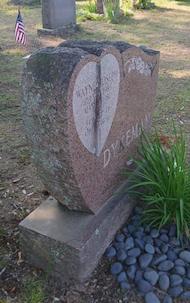
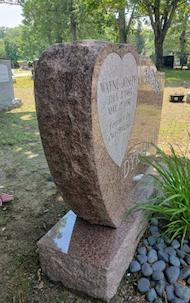
Lichen loves the rough, "rock-pitch" sides of our local granite markers. It grows in tight, crusty circles that dig their way into the rock. It holds dampness against the stone, which cracks it when the temperature drops.
Scraping lichen dry creates a mess and leaves scratches. We spray it with a cleaner that kills it down to the root. It turns a bright color, dries out, and then we can brush it off like dust. We get the stone clean without grinding down the surface.
Salt Damage on the Coast
On the Cape, the North Shore, or the Islands, the salt air eats everything. It pits the granite and destroys bronze. You’ll see heavy green corrosion running down the face of the stone.
Fresh water won't stop it. We use a chemical that neutralizes the salt so it stops eating the stone. For bronze, we strip it down to bare metal and seal it with marine lacquer. If it works on a boat hull in the harbor, it keeps the headstone safe from the salt spray.
Tree Roots and Pine Pitch
Old cemeteries like Mount Auburn are basically forests. That means roots tipping stones over and pine sap dripping everywhere. That sap bakes on like black glass.
If you try to scrape it, you just smear that tar across the granite and dull the shine. We use a solvent that eats through the resin so it wipes off without a fight. For roots, we can't always cut the tree, so we build up the ground or bridge over the root to get the marker level again without killing the oak or pine next to it.
Moss in Shaded Corners
In the Berkshires and western Mass, the deep shade keeps stones wet all year. Thick pillows of moss cover the entire base of monuments.
That moss keeps the stone soggy, which makes it rot, especially limestone. We treat the moss so it dies and releases its grip. Then we remove it gently. We also trim back the brush nearby to get some airflow hitting the stone, so it has a chance to dry out between rains.