Cleaning Harbor Salt and Historic Slate in New Bedford
New Bedford is defined by the harbor. The wind blows salt spray across the city constantly. That salt settles on the headstones in Rural Cemetery and Oak Grove. It creates a white haze on polished granite and attacks the bronze markers. It isn't just surface dirt; the salt actually damages the material over time.
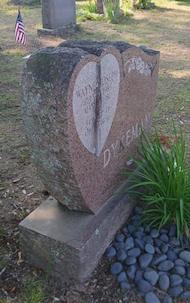
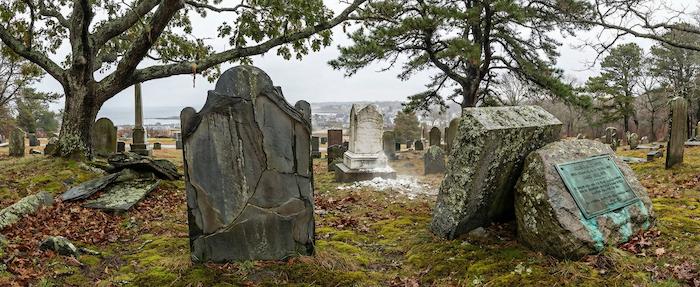
We also care for the history here. The Griffin Street Cemetery has slate markers from the whaling days. These stones are old and brittle. Winter ice splits them open. Families searching for headstone cleaning services near me call us to preserve those fragile historic markers or to wash off the heavy lichen that grows in the damp sea air.
Salt Fog and Granite Haze
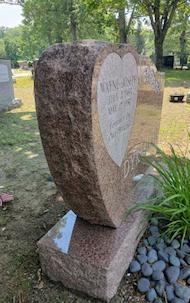
The fog in New Bedford is salty. It settles on the headstones and dries there. Over time, it builds up a white, cloudy layer on black granite. You can't scrub it off with water because it is down in the pores of the stone. It dulls the reflection and makes the marker look neglected.
We use a chemical wash that targets the salt. It dissolves the deposits and pulls them out of the rock. We flush it away with water. It brings the deep color back to the granite without damaging the polish.
Delaminating Whaling Slate
The old slate markers in the historic districts are peeling. Slate is formed in thin sheets. Water gets into the cracks, freezes, and forces the layers apart. The face of the stone eventually just falls off. The name is gone, and the pieces are left lying in the grass.
We don't scrub these stones. They are too weak. We spray them with a gentle cleaner that kills the mold and lichen. We rinse them with low pressure. It cleans the stone without knocking any loose pieces off.
Bronze Corrosion on Military Markers
New Bedford has a lot of veterans. The bronze plaques on their graves react badly to the ocean air. The damp salt turns the metal a chalky green color. That buildup gets thick and covers the lettering so you can't read the service details.
We strip that green corrosion off. We get the metal back to its original brown color. Then we apply a clear lacquer. We put a barrier between the metal and the air. The salt lands on the sealer, not the bronze, so the plaque stays brown.
Lichen on the North Side
The harbor keeps the air wet. That moisture settles on the stones. On the back side where the sun doesn't shine, that dampness allows lichen to grow into a thick mat. It digs roots into the stone and holds water against the surface.
Scraping lichen damages the stone. We kill it first. We soak the growth with a biological solution. The lichen dies and dries up. Then it brushes off easily. The stone underneath stays intact.
Service Costs in New Bedford
Working on fragile slate takes patience. Restoring corroded bronze requires specific chemicals. I can't give you a price without looking at the marker first. We have an online tool for that. You choose the cemetery, tell us the problem, and you get a clear price instantly.
- Salt Removal: Clearing harbor salt haze from granite.
- Slate Preservation: Gentle cleaning for historic whaling markers.
- Bronze Restoration: Cleaning and sealing military plaques.
- Lichen Control: Removing heavy growth caused by damp air.