Bethlehem Steel Industrial Fallout
The Bethlehem Steel legacy defines local soil chemistry. Blast furnaces ejected tons of iron oxide and sulfur. This particulate matter covers Holy Cross Cemetery. It is not just dust. It is reactive metal.
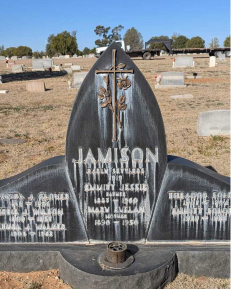
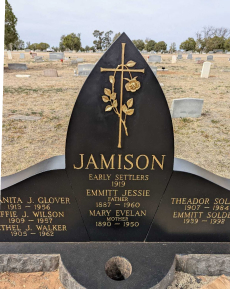
Iron particles bond to the stone pores. Humidity triggers oxidation. The headstone turns orange (Ferrous Staining). On marble, sulfur reacts with rain. It creates a black gypsum scab. This is a chemical fusion. Scrubbing it destroys the stone surface. We use ammonium thioglycolate poultices. These chemicals target the metal ions. They dissolve the rust and carbon crust without abrasion.
"Southtowns" Snow Load Saturation
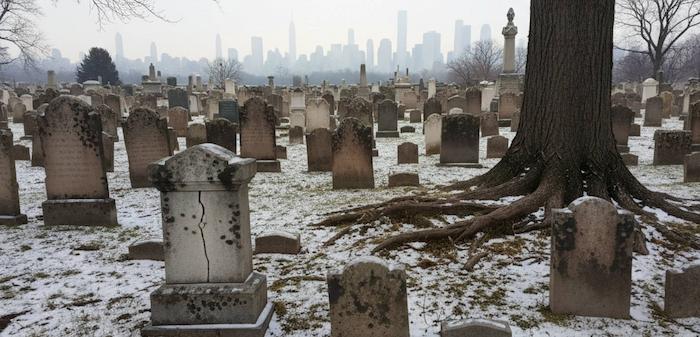
Lackawanna anchors the "Southtowns" snow belt. Lake effect storms drop massive loads. Monuments remain buried for months.
Deep snow insulates the base. Meltwater saturates the granite face. A polar vortex hits. The liquid flash-freezes. Ice volume expands 9% instantly. This generates 2,500 PSI of internal pressure. The stone shatters from the inside (Spalling). Searching for headstone cleaning services near me often leads to pressure washing ads. This forces more water into the freeze-thaw zone. We use specialized grave site cleaning services. We apply hydrophobic sealers that block liquid water but allow the stone to breathe.
Slag Fill Soil Instability
The local terrain is artificial. It is industrial fill and slag. This material is glassy and porous. It is not soil. It compacts unpredictably.
Sub-surface voids collapse. The monument foundation sinks into the unstable fill. The stone tilts. Adding topsoil is cosmetic; the ground below is moving. For permanent tombstone repair and restoration, we stabilize the sub-grade. We excavate. We install a friction pile of angular gravel. This bridges the voids in the slag. It locks the foundation in place.
Lake Erie Chloride Attack
Route 5 and the Skyway require heavy salting. Winds off Lake Erie carry this saline spray. Salt coats the monuments.
Chloride crystals enter the stone pores. They dry and crystallize. They expand (Haloclasty). This blasts the polish off the stone face. The surface becomes rough. We use clay poultices. These draw the chlorides out of the stone matrix. We then apply a consolidation treatment. We use professional cleaning stone gravestones chemistry.
Ferrous Pin Failure ("Rust Jacking")
Large granite monuments use iron pins. These anchor the die to the base. Industrial pollutants accelerate corrosion.
Iron oxide occupies 600% more volume than steel. The expanding rust acts like a hydraulic wedge. It splits the granite base. Rust stains bleed out from the joint. We disassemble the monument. We core out the corroded iron. We replace it with stainless steel or epoxy dowels. This eliminates the mechanical stress.