Aluminum Smelter Fluoride Etching
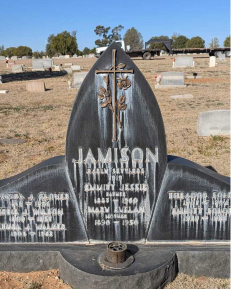
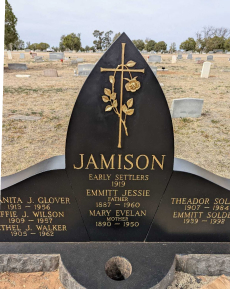
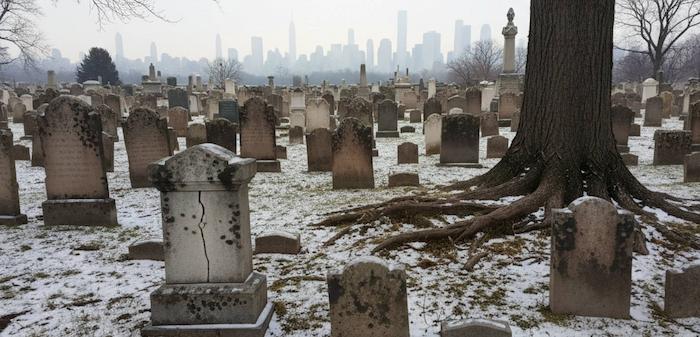
Massena is industrial. Decades of aluminum smelting (Alcoa/Reynolds) released fluoride particulates. This fallout covers local cemeteries.
Fluoride is chemically aggressive. It reacts with the silicate minerals in granite. The result is a hazy, etched surface. It looks like hard water stains, but it is chemical damage. Acid cleaners make it worse. We use specialized grave site cleaning services. We apply alkaline buffering pastes. These neutralize the surface pH. We rinse the residue safely.
Leda Clay (Marine Clay) Instability
The geology here is ancient Champlain Sea floor. The soil is "Leda Clay" (Marine Clay). It is highly sensitive.
Vibration from the St. Lawrence Seaway shipping channel affects the soil. Under vibration, wet Leda clay liquefies. Monuments sink straight down. Tipping is sudden. Adding topsoil is dangerous; it overloads the shear strength of the clay. For permanent tombstone repair and restoration, we excavate the clay. We install friction piles of angular stone. This stabilizes the load.
St. Lawrence Valley Flash Freezing
The river valley acts as a wind tunnel. Wind chills drop to -30°F. Stone saturation is high due to river fog.
Flash freezing happens instantly. Pore water turns to ice. Expansion is 9%. Internal hydraulic shock hits 2,500 PSI. The granite face shears off (Spalling). Searching for headstone cleaning services near me usually suggests pressure washing. That is destructive. It drives water deeper into the cracks. We use hydrophobic sealers to block the liquid.
PCB and Hydraulic Oil Deposition
Historical heavy industry released airborne hydraulic fluids and PCBs. Micro-droplets settle on the stones.
This forms a sticky, hydrophobic film. Dirt and pollen bond to it. Water does not wash it off; it beads up. Scrubbing smears the oil. We use solvent-based surfactants. These break the hydrocarbon bond. We extract the oil chemically without abrasion.
Route 37 Road Salt Aerosol
Route 37 is the main artery. Winter maintenance requires heavy rock salt. Traffic generates a saline mist.
The brine coats roadside markers. Water evaporates. Salt crystals grow inside the pores ("Sub-florescence"). The internal pressure crumbles the stone surface. We use desalination poultices. These clay packs act like a magnet for chloride ions. We extract the salt and flush with distilled water.