River Alluvial Saturation
Port Chester sits on the Byram River delta. The soil is alluvial silt. It traps moisture. Fog from the Long Island Sound saturates the granite markers daily. The stone acts like a dense sponge. The internal pores fill with water.
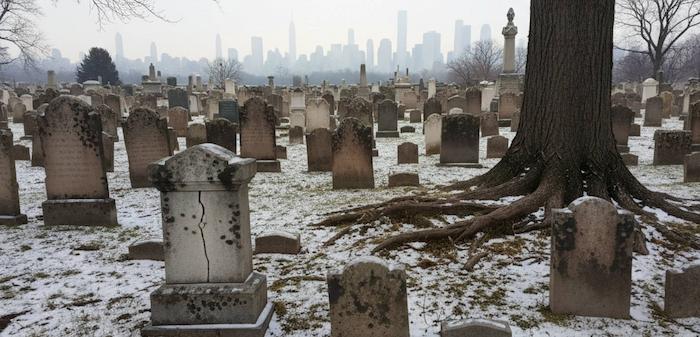
Winter hits the Sound Shore hard. Temperatures flash freeze. That internal water turns to ice. It expands 9% instantly. This generates internal pressure exceeding 2,500 PSI. The rock cannot stretch. It fractures. The surface shears off in sharp, jagged flakes (spalling).
Searching for headstone cleaning services near me often leads to pressure washing ads. In this humid river zone, high pressure is destructive. It forces more moisture past the stone's natural defense. If a freeze follows, the stone explodes from the inside. We use specialized grave site cleaning services. We utilize low-pressure chemical rinsing and hydrophobic sealers. We keep water out of the pores.
Silt Sub-Grade Washout
The soil near the river is fine silt. It drains poorly but washes away easily. Heavy storms turn the sub-grade into liquid mud.
This causes "Hydraulic Washout." The soil flows out from under the concrete footer. The foundation loses support. The monument sinks or tilts. Adding topsoil is useless; the silt swallows it. For permanent tombstone repair and restoration, we stabilize the sub-grade. We excavate the sinking side. We install a friction pile of angular gravel. This locks into the stable clay layer below the silt.
Interstate "Corrosion Corridor" Soot
Port Chester is the meeting point of I-95 and I-287. It is one of the busiest trucking corridors in the Northeast. Diesel exhaust is constant. This oily soot settles on Greenwood Union and St. Mary's cemeteries.
On marble, this pollution triggers a chemical reaction. Sulfur mixes with rain. It converts the calcium surface into a black gypsum crust. This is not dirt. It is dead stone holding carbon soot. Scrubbing this crust destroys the inscription details. We use ammonium carbonate poultices. These pastes dissolve the chemical bond. We rinse the black scab away without abrasion.
Coastal Shade Biological Attack
Local cemeteries are often shaded by mature trees. The proximity to the Sound keeps the air humid. Sunlight is blocked. The stone stays wet. This creates the perfect environment for lichen and black algae (Gloeocapsa magma).
Lichen is aggressive. It digs roots into the stone minerals. It excretes oxalic acid as waste. This acid eats the polish off granite. It dissolves the binder in marble. We use professional cleaning stone gravestones chemistry. We apply a quaternary ammonium biocide. It soaks into the pores to kill the organism. The growth falls off. The biocide stays behind to stop regrowth.
Ferrous Pin Failure ("Rust Jacking")
Historic monuments here often use iron pins to connect the base and the die. Salty river air penetrates the joint compound. The iron rusts. Rust takes up 600% more space than steel.
This expansion pushes outward with massive force. It acts like a wedge splitting the granite block. Rust stains on the base are the first warning. We disassemble the monument. We drill out the corroded iron. We replace it with stainless steel or epoxy dowels. This eliminates the stress point.