
Sandy Soil Washout
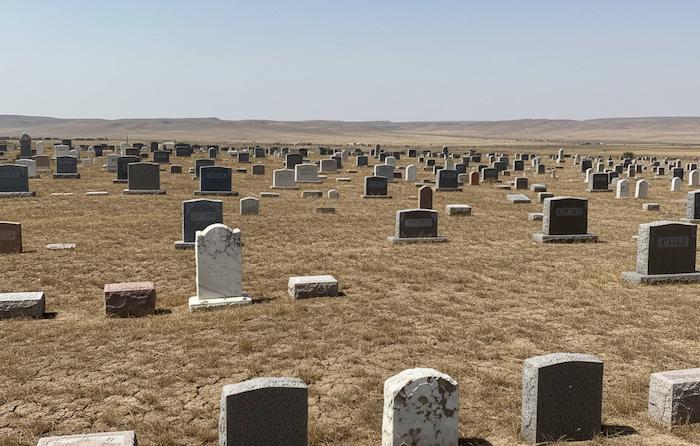
Denton sits on sandy loam. It drains well, but it shifts. Heavy rain washes the sand right out from under the foundation.
This leaves a void. The corner of the monument loses support and tips over. Unlike clay, sand doesn't swell back. The hole stays there. For permanent tombstone repair and restoration, adding dirt is useless. It just washes out again. We excavate the void and pack it with angular gravel. This locks the foundation in place.
Historic Black Lichen
Older cemeteries like IOOF are heavily wooded. The shade is constant.
This breeds black lichen. It forms a hard, crusty scab on the stone. It eats into the inscription. If you scrape it, you pull the stone surface off with it. We use specialized grave site cleaning services. We soak the lichen in a biocide that kills the organism. It releases its grip so we can wash it away safely.
Post Oak Tannins
Post Oaks drop acorns and leaves full of acid.
When wet, they leave dark brown stains on the marker. It looks like rust, but it’s organic stain. Bleach damages old stone. We use cleaning pastes to draw the stain out of the rock without burning the surface.
I-35 Road Grit
Interstate 35 construction never ends. The air is full of limestone dust and concrete grit.
This dust settles on the markers. Morning dew turns it into a weak cement. It bonds to the polish. Wiping it dry scratches the face. We flood the stone with water to float the grit away. We use soft bristles to clean the surface.
Sandstone Peeling
Many historic Denton markers are made of local sandstone. It is soft.
Water soaks into the layers. When it freezes, it pries the layers apart. The face of the stone flakes off. Searching for headstone cleaning services near me often leads to pressure washing. That destroys these stones instantly. We use mineral hardeners. They soak deep into the stone and bind the layers together.