
Gumbo Clay Heave
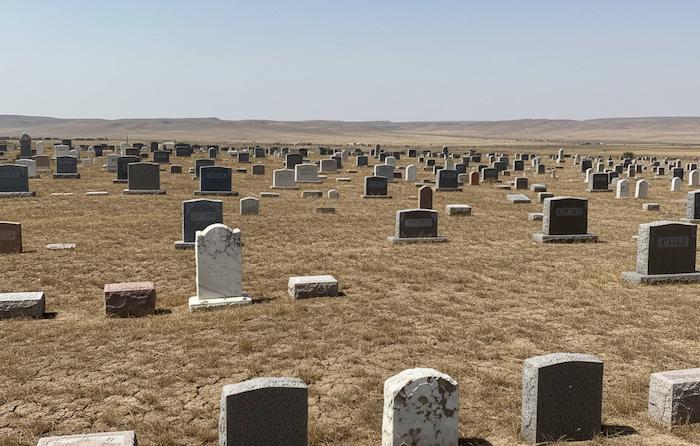
Irving sits on black "Gumbo" clay. It moves. Rain turns it into slick grease.
Summer heat shrinks the ground until it cracks open. This push-pull snaps concrete footers. Monuments slide or sink. Adding topsoil is a waste; the cracks swallow it. For permanent tombstone repair and restoration, we dig past the active zone. We install a friction pile of angular gravel. This absorbs the movement so the stone stays level.
Jet Fuel Fallout
Planes from DFW Airport dump exhaust overhead all day. Unburnt fuel settles on the stone.
It forms an oily film. Dirt sticks to it and turns black. You can't hose it off; the grease fights the water. Scrubbing makes a bigger mess. We use specialized grave site cleaning services. We apply industrial degreasers that cut the oil bond. We rinse the residue away safely.
Trinity Floodplain Wicking
Irving is low ground near the Trinity River. The water table is high.
Stone markers soak up this groundwater. It carries dissolved salts. When the water dries, the salt stays. It forms a white line on the base. Scrapers scratch the polish. We use chelating agents for cleaning stone gravestones. They dissolve the mineral buildup chemically.
Post Oak Stains
Post Oak trees drop leaves and acorns on the markers.
Rain soaks the leaves and leaches acid onto the stone. It creates dark brown streaks. It looks like rust, but it's organic stain. Bleach damages the stone face. We use alkaline poultices to draw the stain out of the pores without burning the granite.
Highway Construction Dust
Construction on Loop 12 and Hwy 183 kicks up concrete dust.
This dust settles on the markers. Morning dew turns it into a hard cement crust. If you wipe it dry, you sand the polish off. We flood the stone with water to float the grit away. Then we use soft bristles to clean the surface.