Bronze Rot
Salt air kills bronze. It is a fact of life in Oceanside. The sea spray carries chloride ions that burn right through the factory clear coat. Once that seal is broken, the metal starts to die. It turns a chalky, sick green.
This isn't a "patina"; it is active corrosion. We call it "bronze disease." The salt eats the copper right out of the alloy. It pits the surface and destroys the lettering. You can't polish this away. Tending treats cleaning bronze cemetery markers as a full restoration job.
We don't just wipe it down. We strip the failed lacquer and green crust down to the bare metal. We chemically neutralize the chlorides to stop the rot. Then, we re-oil the plate to a rich, dark brown. Finally, we lock it in with a heavy-duty marine sealant. This creates a shield against the salt air.
The Morning Soak
The marine layer drenches these cemeteries every morning. The stone stays wet until noon. This constant moisture breeds black mold and mildew deep in the granite pores. It makes the marker look black and grimy.
If you are searching for headstone cleaning services near me because the stone looks dark, that is biological growth. It is alive. Scrubbing the surface does nothing; the roots are inside the rock. You need a biological kill, not just a wash.
Our grave site cleaning services rely on industrial inhibitors. We soak the stone deep. It kills the roots instantly. We rinse the dead gunk out of the letters. The contrast comes back immediately. It keeps the stone clean for months because we killed the colony, not just the surface bloom.
Sinking Sand
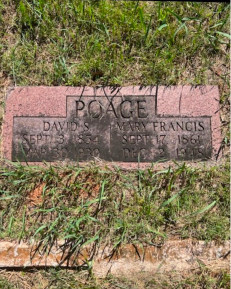
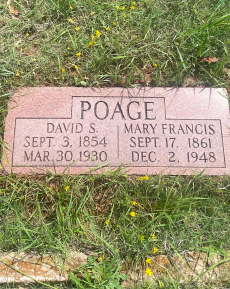
The soil here is loose. It shifts. It doesn't hold weight. Flat markers sink below the grass line constantly. The heavy granite pushes the sand aside and drops. The turf swallows them.
This creates a "sunken garden" effect where entire rows of markers disappear. Mowers run right over the top. Tires burn rubber marks into the stone. Blades chip the edges. Soon, the grass buries it completely. If you can't find the plot, it is under three inches of sod.
We fix the foundation. Our tombstone repair and restoration team digs out the edges. We lift the stone. We excavate the loose sand underneath and replace it with angular, locking gravel. Gravel creates a solid friction bed. It doesn't shift when wet. It keeps the marker flush with the grade, ensuring it stays visible and safe from lawnmower blades.