Everglades Humidity & Cyanobacteria
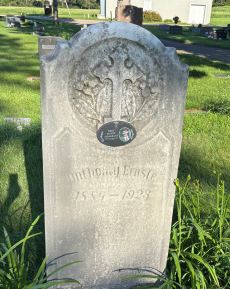
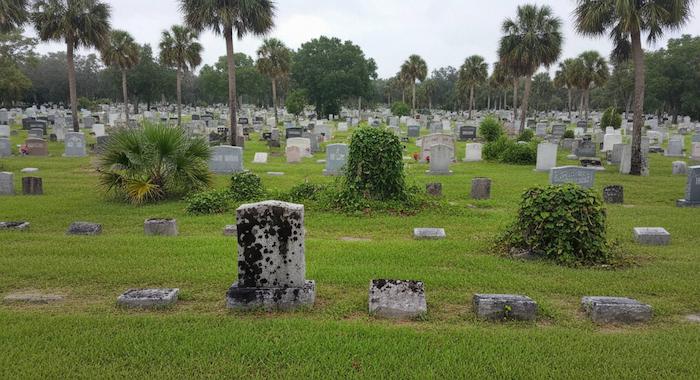
Pembroke Pines borders the Everglades. We deal with a constant steam-bath effect here. The wetlands push heavy moisture in, and the city concrete locks the heat. Granite headstones act like sponges in this weather. They suck up dampness and hold it deep in the pores. This stone never really dries out. It triggers rapid growth of Gloeocapsa magma (cyanobacteria).
You see this as a black, tar-like skin covering the stone. It isn't surface dirt. It is a living colony feeding on the granite minerals. It turns the marker black and hides the lettering.
If you search for headstone cleaning services near me, avoid anyone using pressure washers. Pressure just forces the infection deeper. We use a different approach for grave site cleaning services. We soak the stone in a specialized biocide. It soaks in and breaks the organism's hold on a molecular level. The black crust dies and lifts off, letting us rinse the stone clean without blasting away the inscription.
Soft Muck Soil Subsidence
This area was built on reclaimed wetlands. The ground is full of organic peat and "muck." It is soft. Heavy granite monuments squeeze the water out of this soil like a sponge. The ground sinks, and the headstone goes with it.
We see monuments tilting or dropping below the grass line. If you need tombstone repair and restoration, adding dirt won't fix it. The weight will just sink again. We lift the stone and dig out the compressed muck. We replace it with a packed base of angular gravel. This creates a "friction pile" that locks together and supports the weight, even when the surrounding ground is soft.
Bronze Patina Degradation
South Florida sun destroys the factory clear coat on bronze markers. It cooks the lacquer until it fails. Once that seal breaks, salt air hits the copper alloy. You get green corrosion spots immediately.
This "bronze disease" eats pits into the metal names and dates. To fix this, we use strict cleaning bronze cemetery markers protocols. We strip the old, dead coating down to bare metal. After removing the green oxidation, we heat the metal and seal it with a marine-grade lacquer. It shuts out the moisture and keeps the bronze shining.
Hard Water Irrigation Scale
Local cemeteries pump groundwater to keep the grass alive. That water is loaded with calcium and iron. When it hits a 90-degree headstone, it steams off instantly.
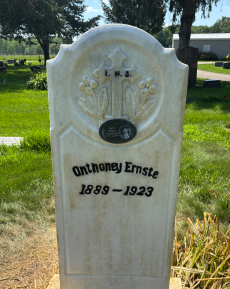
The water goes, but the minerals stay. They bake into a hard white glaze over the polish. You can't scrub this off. We use professional cleaning stone gravestones chemistry—a buffered acidic mix that chemically dissolves the calcium. It turns the hard scale back into liquid so we can wash it away, bringing back the original mirror finish.