Lake Effect Hydraulic Fracturing
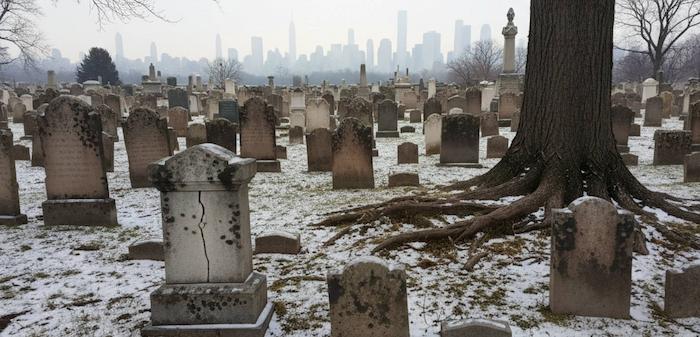
Buffalo winters act as a hydraulic pump. The "Lake Effect" dumps heavy snow loads. This snowpack insulates the wet stone. Meltwater forces its way into the capillary pores. The granite becomes waterlogged.
When the thermometer plummets, this internal liquid solidifies instantly. It expands 9% in volume. This generates internal hydraulic pressure exceeding 2,000 PSI. The stone matrix fails. The polished face shears off (spalling).
Searching for headstone cleaning services near me often points to pressure washing. In Western New York, this creates structural damage. High-pressure water forces moisture past the stone's natural defense. A subsequent freeze shatters the material. We use specialized grave site cleaning services. We rely on low-pressure chemical rinsing and hydrophobic sealers. We seal the pores against water entry.
Glacial Clay Displacement (Frost Heave)
Erie County soil is dense glacial till. It is heavy clay. Clay has high water retention. It does not drain. The frost line digs deep here. When wet clay freezes, it expands vertically.
This hydraulic force lifts the entire monument foundation (Frost Heave). In spring, the ice melts. The soil turns to unstable mud. The monument sinks back down, but it settles unevenly. It tilts. Adding topsoil is a temporary cosmetic patch. It washes out in the first rain. For permanent tombstone repair and restoration, we excavate. We dig below the frost line. We install a friction pile of angular gravel. This breaks the capillary action and drains water away from the footer.
Industrial Carbon Crusts
Buffalo has a deep industrial history. Steel manufacturing and grain production released heavy particulates for decades. Sulfur dioxide and carbon soot coat the cemeteries.
On marble monuments, this pollution chemically bonds with the stone. It forms a black gypsum crust. This is not surface dirt. It is decayed stone holding carbon. Scrubbing this crust rips the carving details apart. We use ammonium carbonate poultices. These pastes chemically convert the gypsum back to a soluble salt. We rinse the black crust away without abrasion.
Sub-Snowpack Acid Etching
Heavy snow cover traps moisture and blocks sunlight. This creates a wet, dark environment directly on the stone face. Lichen and moss thrive here.
Lichen sends rhizoids (roots) into the mineral structure. They excrete oxalic acid. This digests the calcium in marble and etches the polish on granite. When the snow melts, you see rough, pitted surfaces. We use professional cleaning stone gravestones chemistry. We apply a quaternary ammonium biocide. It penetrates the pores to terminate the root system. The growth releases its grip. The chemical barrier inhibits regrowth under the next snowfall.
Stratified Stone Delamination
Many older plots in Forest Lawn or Mount Olivet utilize Sandstone. This rock consists of horizontal seams. Moisture penetrates these bedding planes.
Freeze-thaw cycles drive these layers apart. The stone separates like wet cardboard (delamination). Touching it causes disintegration. Standard cleaning destroys these markers. We use ethyl silicate consolidants. These liquid binders saturate the crumbling stone. They harden inside the matrix, re-adhering the layers. This stabilizes the stone against further winter damage.