"Chemical Coast" Downwind Deposition
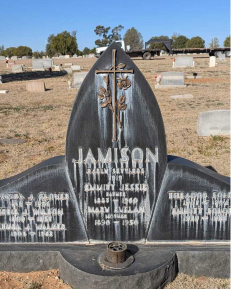
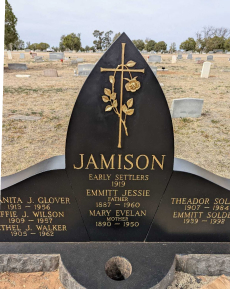
Kenmore sits directly downwind of the Tonawanda industrial zone. For decades, the Huntley Power Plant and chemical refineries ejected particulate matter. This fallout coats the monuments in Mount Olivet.
"I inquired about having my grandparents headstones cleaned since it had been at least forty years since they passed. The man who answered my call was very patient with me and walked me through the process. They completed the cleanings much quicker than I expected and was told. The headstones are once again shining and clean! He responded quickly when I reached out regarding the flowers we left there including a picture for us, of them. I would definitely go to them again."
— Charisa Chalfa, Rochester, New York
This residue contains sulfur and petrochemicals. It is sticky. It bonds to the stone pores. On marble, it creates a black gypsum crust. This is a chemical fusion. Scrubbing spreads the oil. It stains the stone deeper. We use specialized grave site cleaning services. We use ammonium carbonate and degreasers. We break the chemical bond. We lift the soot without abrasion.
Glacial Lake Clay Heave
The geology here is ancient lake bottom (Glacial Lake Tonawanda). The soil is heavy clay. It retains water. It drains poorly.

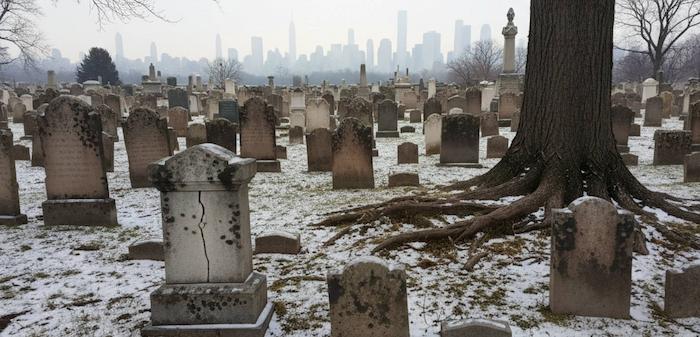
Winter frost penetrates 36 inches deep. Ice lenses form in the clay. They expand vertically. This creates hydraulic lift under the monument foundation. Spring thaw turns the clay to fluid mud. The foundation drops unevenly. The monument tilts. Adding topsoil is a cosmetic waste. For permanent tombstone repair and restoration, we stabilize the sub-grade. We excavate. We install a friction pile of angular gravel. This drains the water and locks the base in place.
Delaware Avenue Diesel Impact
Kenmore is the "Village of Homes," but it is bisected by Delaware Avenue. Traffic volume is massive. Bus and truck exhaust particulates are constant.
Diesel soot is oily. It contains carbon and heavy metals. It settles on the monuments in Elmlawn. It creates a dark, greasy film. This film traps moisture against the stone. It accelerates decay. We use ammonia-based poultices to strip this film. We allow the stone to breathe again.
Hydrostatic Frost Spalling
High soil moisture saturates the base of granite monuments. Capillary action wicks water upward.
When ambient temperatures hit zero, this internal water freezes. Ice occupies 9% more volume than water. This exerts 2,500 PSI of internal pressure. The stone matrix fractures. The face shears off (Spalling). Searching for headstone cleaning services near me often leads to pressure washing ads. This forces more water into the stone. We use hydrophobic sealers. They line the pores. They block liquid entry.
Acid Rain "Sugaring"
Decades of industrial fallout acidified the local rain. Marble markers show "granular disintegration." The acidic water dissolved the calcium binder.
The surface feels like sandpaper. The crystals are loose. Pressure washing blasts the remaining surface away. We use consolidation treatments. These chemicals soak into the pore structure. They replace the lost binder. They re-harden the surface. We use professional cleaning stone gravestones chemistry.