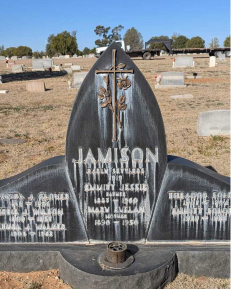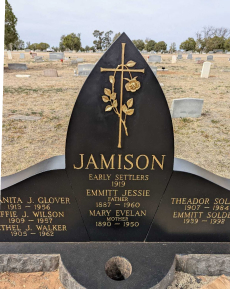
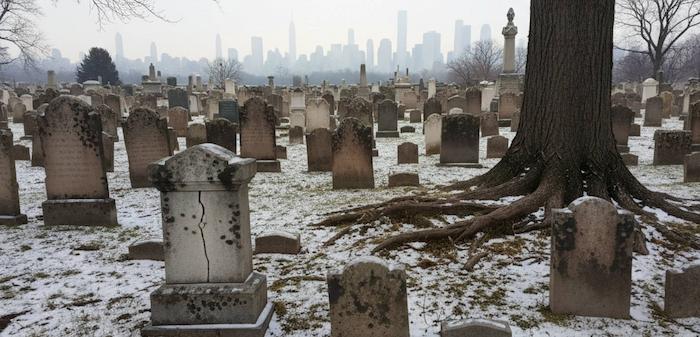
Railroad Corridor Industrial Fallout
Rail junctions dictate the environment. New York Central and Lehigh Valley engines idled here. Coal smoke was dense. Diesel particulates followed. This heavy fallout settled on St. Augustine Cemetery.
The residue is carbon and sulfur. It bonds chemically to the stone. On marble, it forms a black gypsum crust. Scrubbing forces the soot deeper. It damages the pore structure. We use specialized grave site cleaning services. We use ammonium carbonate poultices. These pastes dissolve the chemical bond. We lift the carbon staining without abrasion.
Vibrational Soil Liquefaction
Rail traffic is constant. Freight trains generate ground waves. The substrate is glacial clay.
Vibration alters soil mechanics. Thixotropic liquefaction occurs. The solid clay becomes a fluid suspension. Monument foundations lose friction. They sink or rotate. Adding topsoil is useless. For permanent tombstone repair and restoration, we stabilize the sub-grade. We excavate. We install a friction pile of angular gravel. This absorbs the vibration.
Cayuga Creek Microclimate
Cayuga Creek runs adjacent to the burial grounds. Water evaporates. It does not disperse. Fog hangs low.
Porous granite wicks this airborne water. Winter temperatures drop below zero. The trapped water freezes. Ice expands 9%. This generates internal pressure of 2,500 PSI. The stone fractures. The face shears off (Spalling). Searching for headstone cleaning services near me often leads to pressure washing ads. This forces more water into the stone. We use hydrophobic sealers. They line the pores. They block liquid entry.
Bio-Film Acid Attack
Damp stone feeds Gloeocapsa magma. This is black algae. It forms a solar shield. Underneath, hyphae (roots) drill into the granite.
These roots excrete oxalic acid. This digests the minerals. It eats the polish. We use professional cleaning stone gravestones chemistry. Quaternary ammonium biocides kill the root system. The growth detaches. The biocide prevents rapid regrowth.
Ferrous Oxide Staining
Nearby battery plants and rubber factories released metal dust. Iron settles on the ground. Rain splashes it onto the monument base.
The iron oxidizes. It leaves orange streaks ("Rust"). This is chemical staining. We use ammonium thioglycolate. This chemical reduces the rust. It turns the iron into a soluble purple liquid. We rinse it away safely.