Hydraulic Freeze-Thaw Fractures
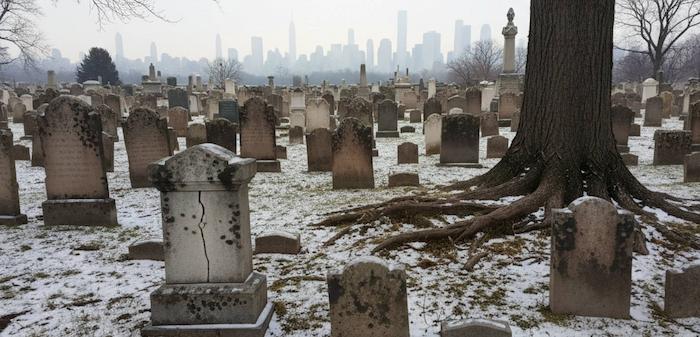
Northeast winters act as a hydraulic pump. Moisture enters the capillary system of granite and marble. Temperature drops. Water freezes. Volume expands 9%. This creates internal mechanical stress exceeding the tensile strength of the stone.
The rock cannot stretch. It fractures. The face shears off (spalling). Searching for headstone cleaning services near me often points to pressure washing. In this climate, that leads to destruction. High-pressure water forces moisture deeper into existing micro-cracks. A subsequent freeze splits the marker. We use specialized grave site cleaning services. We rely on low-pressure rinsing and hydrophobic consolidants to seal the stone against water intrusion.
Black Gypsum Crusts (Sulfation)
Inspect older marble in the city. You often see a black, hardened scab. This is not dirt. It is a gypsum crust caused by sulfur dioxide emissions interacting with calcium carbonate. Carbon from diesel exhaust gets trapped in this layer.
The stone surface has chemically converted from hard calcite to soft gypsum. Mechanical scrubbing destroys the detail underneath. We use ammonium carbonate poultices. These pastes chemically convert the gypsum back to a soluble state. We rinse the black scab away without abrasive tools.
Sedimentary Bedding Failure
Brownstone markers suffer from inherent sedimentary failure. The stone consists of horizontal bedding planes. Moisture infiltrates these seams.
Ice forms between the layers. The expansion forces the stone apart (delamination). The surface peels away. Standard cleaning rips these layers off. If the stone is delaminating, do not scrub. We use ethyl silicate consolidants. These penetrants soak into the stone matrix and replace the lost binder. This re-adheres the layers and halts the decay cycle.
Frost Heave Displacement
NYC frost lines reach 40 inches deep. Sub-grade moisture freezes. The soil matrix expands upward. This hydraulic force lifts the monument foundation.
Spring thaws turn the soil into a liquid slurry. The granite sinks back down, but settles unevenly. The monument tilts. Adding topsoil is a cosmetic patch that fails annually. For lasting tombstone repair and restoration, we excavate. We install a compacted, angular gravel base below the frost line. This drainage layer prevents ice lenses from displacing the footer.
Ferrous Oxide Expansion ("Rust Jacking")
Iron anchoring pins were standard in historic monuments. Moisture permeates the joints. The iron oxidizes. Rust requires 600% more volume than the original metal.
This internal expansion generates massive pressure. It splits the granite die from the inside out. Rust stains on the base usually precede structural failure. We disassemble the monument. We core out the corroded iron. We install non-corrosive stainless steel or epoxy dowels to eliminate the stress point.
Biological Acid Etching
Deep shade in historic plots accelerates biological fouling. Lichen and moss do not just sit on the surface; they penetrate the pore structure.
Lichen excretes oxalic acid. This digests the minerals in the stone, destroying the polish. We use professional cleaning stone gravestones chemistry. We apply a quaternary ammonium biocide. It soaks deep into the stone to terminate the root system. The biological growth releases its grip without wire brushes.