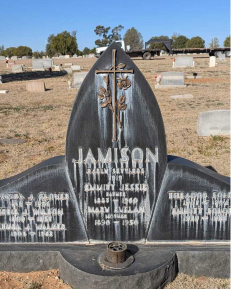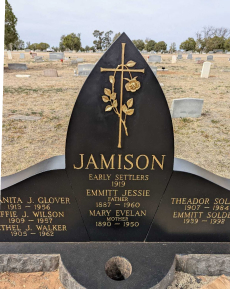
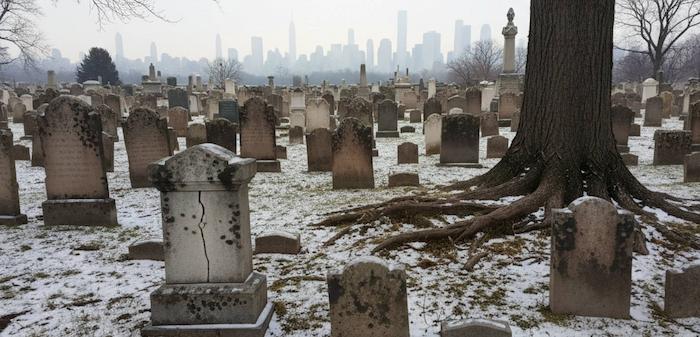
Hydrostatic Bursting & Spalling
Spring Valley winters are wet. Rain and sleet saturate the porous stone markers. The moisture penetrates deep into the matrix. The stone becomes waterlogged.
Temperatures drop rapidly. The trapped water freezes. It expands 9% instantly. This generates internal pressure exceeding 2,500 PSI. The stone cannot handle this force. It ruptures. The surface pops off in jagged flakes (spalling).
Searching for headstone cleaning services near me often leads to pressure washing ads. In Rockland County, this is destructive. High-pressure water forces more liquid into the stone. If a freeze follows, the stone explodes from the inside. We use specialized grave site cleaning services. We utilize low-pressure chemical rinsing and hydrophobic sealers. We keep water out of the pores.
Rockland Clay Lens Heave
The local soil is heavy glacial clay. It creates "lenses" that trap water underground. It does not drain. When winter hits, these wet clay pockets act like hydraulic jacks.
The ground freezes and expands upward. It lifts the monument foundation (Frost Heave). In spring, the ice melts. The clay turns to liquid mud. The foundation drops back down, but it settles unevenly. The monument tilts. Adding topsoil is useless; the clay heaves again next year. For permanent tombstone repair and restoration, we stabilize the sub-grade. We excavate below the frost line. We install a friction pile of angular gravel. This drains the water and locks the foundation in place.
Sedimentary Bedding Plane Failure
Many historic markers in the area are Red Sandstone or Brownstone (Newark Basin geology). These are sedimentary rocks. They are built in layers. Water gets between these horizontal sheets.
Freeze-thaw cycles push the layers apart. The stone peels like wet cardboard (delamination). If you touch it, large distinct layers fall off. Standard cleaning destroys these markers. We use ethyl silicate consolidants. These liquid binders saturate the stone. They harden inside the matrix. They glue the layers back together chemically.
Route 59 Arterial Soot
Three major arteries strangle the city. Route 59, I-87, and the Garden State Parkway surround local cemeteries. Traffic never stops. The air is thick with diesel particulate matter. This oily soot settles on the stone.
On marble, this pollution creates a chemical bond. Sulfur mixes with rain to form acid. It converts the calcium surface into a black gypsum crust. This is not dirt. It is dead stone holding carbon. Scrubbing this crust destroys the inscription details. We use ammonium carbonate poultices. These pastes dissolve the chemical bond. We rinse the black scab away without abrasion.
Biological Root Penetration
The region is humid. Lichen and moss thrive here. They are not just on the surface. They are parasites.
Lichen drives roots (rhizoids) into the stone pores. It excretes oxalic acid as a digestion aid. This acid eats the polish off granite. It dissolves limestone. We use professional cleaning stone gravestones chemistry. We apply a quaternary ammonium biocide. It soaks deep into the pores to kill the organism. The growth falls off. The biocide stays behind to stop regrowth.