"Chemical Coast" Industrial Fallout
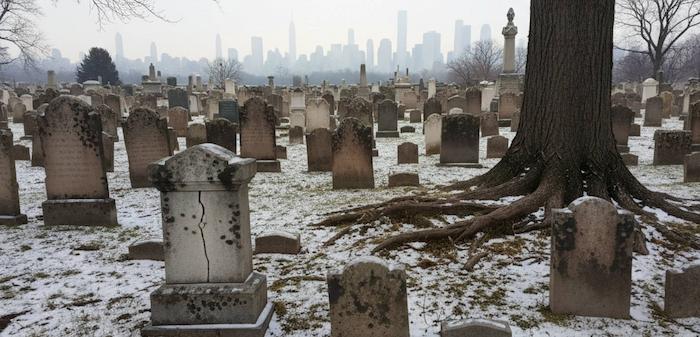
Tonawanda anchors the "Chemical Coast." The Huntley Power Station and oil refineries operated here. They ejected sulfur, carbon, and petrochemicals. This fallout coats Elmlawn Cemetery.
This residue is not dirt. It is acidic oil. It bonds chemically to the stone. On marble, sulfur reacts with moisture. It forms a black gypsum scab. Scrubbing spreads the oil. It scratches the stone. We use specialized grave site cleaning services. We use ammonium carbonate and degreasers. We break the chemical bond. We lift the soot without abrasion.
Niagara River Mist Saturation
The Niagara River is fast and cold. It throws up a mist plume. Humidity is constant.
Granite acts as a sponge. It wicks moisture into the capillary network. Ambient temperature hits zero. The liquid phase ends. Solidification occurs. Ice occupies 9% more volume than water. This exerts 2,500 PSI of internal pressure. The stone fractures. The face shears off (Spalling). Searching for headstone cleaning services near me often leads to pressure washing ads. This forces more water into the stone. We use hydrophobic sealers. They line the pores. They block liquid entry.
River Clay Frost Heave
The substrate along the river is glacial clay. It is dense. It retains water. It drains poorly.
Frost penetrates deep. Ice lenses form in the clay. They expand upward. Hydraulic force lifts the monument foundation. Spring thaw liquefies the clay. The foundation drops unevenly. The monument tilts. Adding topsoil is cosmetic. For permanent tombstone repair and restoration, we stabilize the sub-grade. We excavate. We install a friction pile of angular gravel. This drains the water.
Petrochemical "Sticky" Soot
Refinery fallout differs from coal dust. It contains hydrocarbons. It is sticky. It acts as a bio-adhesive.
Lichen and algae spores stick to this oily layer. The soot provides carbon food. Roots penetrate the stone. They excrete oxalic acid. This digests the mineral surface. We use professional cleaning stone gravestones chemistry. We use a dual-phase approach. First, we degrease to remove the food source. Then, we apply biocide to kill the roots.
Sulfuric Acid Etching
Decades of industrial emission acidified the rain. pH levels dropped. Marble markers in St. Francis Cemetery show "sugaring."
The acid dissolved the calcium binder. The crystal lattice is loose. The surface feels like sandpaper. Pressure washing blasts the loose crystals away. We use consolidation treatments. These chemicals soak into the pore structure. They replace the lost binder. They re-harden the surface.