
Cleaning Historic Soft Stone and River Moss in Yankton
The Missouri River creates a specific problem for Yankton cemeteries. The constant moisture means the stones in the City Cemetery and Sacred Heart stay wet. This allows thick green moss and black algae to take over the granite. It grows right over the lettering and hides the family names.
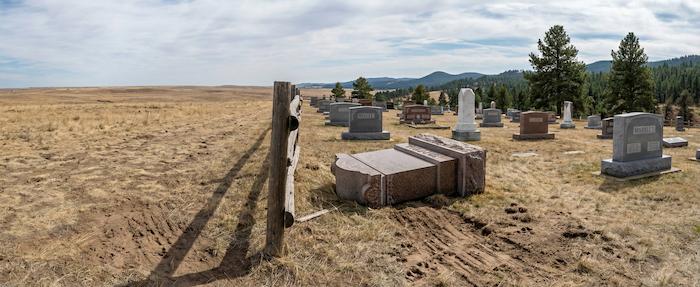
Because Yankton is the old territorial capital, we have a lot of very old, soft limestone markers. These stones are fragile. They can't handle pressure washing or harsh scrubbing. We also deal with the soft river soil causing markers to sink, and the Cottonwood trees dropping sticky sap. Families searching for headstone cleaning services near me use our app to book a cleaning for these historic stones or to schedule a reset for a sinking marker.
Cleaning Fragile Limestone and Sandstone
The oldest plots in Yankton are full of white bronze (zinc) and soft limestone. Limestone is porous. It soaks up water and dirt. Over a hundred years, it turns brittle. If you hit these stones with a pressure washer, you will blast the lettering right off.
We clean these by hand using soft bristle brushes and a biological cleaner. We soak the stone to loosen the grime. Then we wash the dirt away without scrubbing hard. It cleans the stone and stops the biological growth from eating the material any further.
River Humidity and Moss
River moisture feeds the moss. It grows thick on the north side of the monuments. That heavy green mat holds water right against the stone. In January, that wet moss freezes solid and cracks the face of the granite.
We kill the moss to remove it. We spray it with a cleaner that attacks the roots. The moss turns brown and dries out. Once it is dead and brittle, we brush it off. This clears the stone without digging steel tools into the polish.
Sinking in River Bottom Soil
The ground near the river is sandy and soft. Heavy monuments sink into this ground. We often find flat markers that have dropped several inches below the grass line. Sod grows over them until you can't find them anymore.
We dig these up and reset them. We don't just put them back on the dirt. We dig a deeper hole and fill it with crushed rock. We pack that rock down tight. This gives the stone a solid platform that drains water, so it doesn't sink back down next spring.
Cottonwood Sap and Stains
The old cemeteries are full of massive Cottonwood trees. They provide shade, but they are messy. They drop sticky sap and seed pods. The sap lands on the headstones and cooks in the sun. It turns into hard black bumps that look like tar.
You can't scrape these off. We use a solvent to dissolve the sap. We wet the spot and let the chemical work until the tar softens. Then we wipe it away. It removes the stain without scratching the stone underneath.
Hard Water Scale
To keep the grass alive during a hot Dakota summer, the sprinklers run often. The water is hard. When it dries on a hot stone, it leaves white calcium deposits behind. It creates a cloudy haze over the black granite.
We use a mild acid to clean this. We brush it on, and it eats the mineral buildup. We have to be fast. We rinse it the second the scale is gone. Acid burns the polish if you let it sit. We use plenty of water to neutralize the area.
Service Costs in Yankton
Historic limestone needs careful hand washing, and sinking markers need heavy lifting. But you don't need to wait for a quote. You can see the exact price for your specific cleaning or repair needs right now. Just select your cemetery and service options in our online tool.
- Historic Cleaning: Delicate washing of limestone and sandstone.
- Leveling: Resetting stones in soft river soil.
- Biological Cleaning: Killing moss and algae.
- Pitch Removal: Cleaning Cottonwood sap and tar.


