
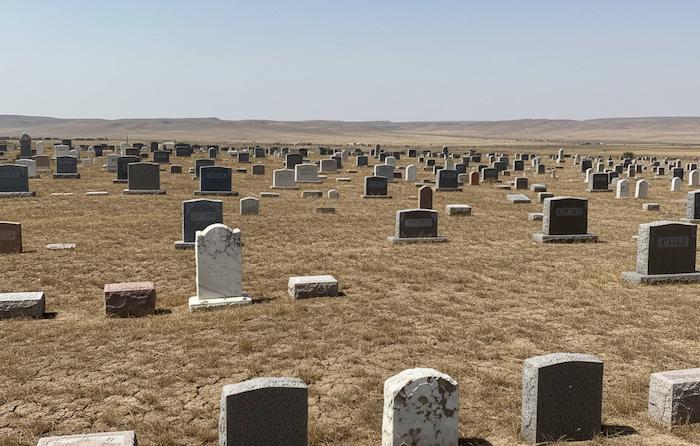
Blackland Clay Heave
The soil here is active clay. It moves constantly.
In summer, it shrinks and cracks. In winter, it swells. This cycle snaps concrete footers. We see monuments leaning 15 degrees because the foundation broke. Adding dirt to the hole is useless. The clay swallows it.
For tombstone repair and restoration, we have to bridge the moving soil. We install deep piers. We anchor the monument to stable subsoil. The clay moves around the stone, not under it.
Construction Dust Haze
Mansfield is booming. Construction is everywhere. The air is full of grit.
This dust settles on the markers. Morning dew turns it into a hard paste. It bonds to the polish. If you wipe it dry, you scratch the stone. It acts like sandpaper.
We use a high-volume water flush. We float the grit off the surface. We remove the haze without ruining the mirror finish.
Fire Ant Burn
Fire ants love the thermal mass of the stones. They build mounds against the base.
The dirt in the mound is acidic. It sits against the polish and etches it. It leaves a dull, rough ring around the bottom. You cannot wash this damage off; the stone is physically burned. We treat the ground. Then we use alkaline cleaners for cleaning stone gravestones. We stop the acid from eating deeper.
Black Algae Roots
The humidity here stays high. The stone stays damp.
This breeds black algae. It looks like soot, but it roots into the granite. People searching for headstone cleaning services near me usually reach for a pressure washer. That damages the stone. High pressure forces water and spores deeper. The mold grows back fast.
We use a biocide soak. It kills the roots inside the rock. The dead algae rinses off easily.
Hard Water Scale
Cemeteries run sprinklers hard in the summer. The water is full of calcium.
The sun bakes the water off. The white mineral crust stays. It bonds to the granite like cement. Scrapers scratch the stone. We use a buffered acid wash for grave site cleaning services. It dissolves the calcium bond. We rinse the minerals away.