Blackland Clay Heave
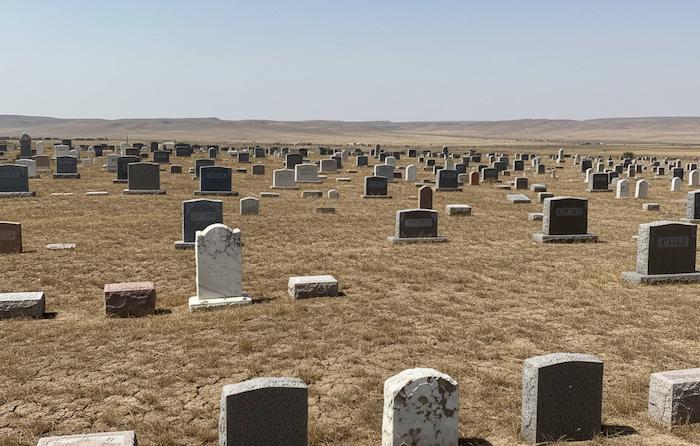
Temple sits right on the Blackland Prairie. The soil here is heavy clay. It moves constantly.
In the summer drought, the ground cracks. These cracks run deep. They snap unreinforced concrete footers like twigs. The monument lists to the side. In the winter, the clay gets wet and swells. It heaves the broken footer up.
Adding a bag of topsoil is a waste of money. The clay swallows it in a month. For permanent tombstone repair and restoration, we have to bypass the clay. We drill friction piers down into the stable subsoil. We anchor the monument so the moving surface dirt flows around it, not under it.
Rail Yard Diesel Soot
Temple is a railroad town. The BNSF yard is massive. The air carries diesel exhaust and brake dust.
This stuff settles on the headstones. It forms a greasy, black film. You run your finger on it, and it comes up black. Rain won't wash it off because of the oil. It just smears. If you leave it, the acidic soot eats into the polish.
We use a heavy-duty degreaser for grave site cleaning services. We spray it on and let it cut the grease. We strip the oil film completely. Then we can wash the stone clean.
Hackberry and Pecan Sap
The cemeteries here are full of Hackberry and Pecan trees. They are dirty trees.
They drop sticky sap ("honeydew"). It coats the markers. Then the black mold grows on the sugar. Also, the birds eat the Hackberry fruit. They leave purple and black droppings on the stone. These stains are like dye. They soak into the pores.
Scrubbing doesn't work. The stain is deep. We use enzyme packs. The enzymes digest the organic sugar and the bird waste. It pulls the stain out of the rock so we can rinse it away.
Lichen "Rooting"
Central Texas humidity breeds Lichen. It is that crusty green and gray stuff.
Lichen isn't just moss sitting on top. It digs roots into the stone. It excretes oxalic acid. This acid eats the polish off granite and dissolves marble. Pressure washing is the wrong move. It blasts the surface but leaves the roots inside. The Lichen grows back faster.
We use a biocide. It soaks in. It kills the root system. The Lichen dies, releases its grip, and falls off.
Mower "Whiplash"
Landscaping crews move fast. They use string trimmers right up against the stones.
The nylon string hits the hot granite. It melts. It leaves black plastic streaks on the corners. It can also chip the edges of older, softer marble. We remove the melted plastic with a solvent. For the chips, we seal the raw stone. We can't fix the chip, but we stop water from getting in and freezing, which makes the crack bigger.