Fighting River Moss and City Soot in Harrisburg
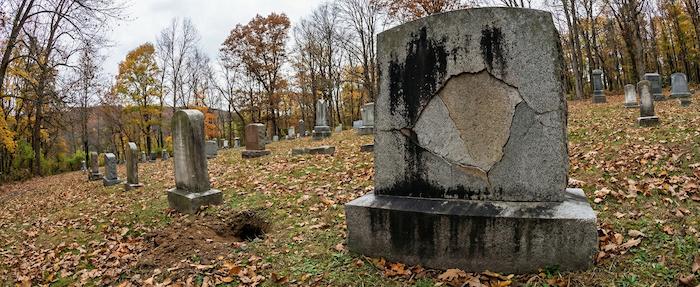
The Susquehanna River defines the weather here. It keeps the air heavy and wet. In cemeteries like Harrisburg Cemetery or Paxtang, that moisture clings to the headstones. We see green algae and thick moss covering markers that are only a few years old.
Harrisburg is also a busy capital city with heavy highway traffic. The exhaust from the bridges and the interstate settles on the stones. It mixes with the river dampness to create a sticky black grime. Families searching for headstone cleaning services near me call us to scrub off that river slime and to stabilize the old brownstone monuments that are flaking apart in this humid climate.
River Algae and Moss
The fog rolls off the river and settles in the hollows of the graveyards. That constant dampness is perfect for moss. It grows fast. It fills in the lettering and turns white marble completely green.
Scrubbing doesn't fix it. The roots go deep into the stone. If you leave them, the plant grows right back. We use a biological solution that soaks into the stone and kills the root system. The green turns brown and washes away. The stone stays clean because we killed the infestation at the source.
Flaking Brownstone
You see a lot of brownstone in the older sections of the city. It is a beautiful stone, but it is soft. Water gets inside the layers. When it freezes, the face of the stone pops off. We see monuments that look like they are shedding their skin.
We can't glue the pieces back on. We gently brush away the loose flakes to get down to solid stone. Then we apply a consolidator. This is a hardener that soaks into the pores and locks the sand grains together. It stops the shedding so the inscription doesn't disappear completely.
Traffic Exhaust Film
Between the trains and the highway traffic, there is a lot of diesel in the air. It falls on the cemeteries as a fine, oily dust. The rain doesn't wash it off. It smears it into a gray haze on granite markers.
Soap and water won't cut through this oil. We use a degreaser made for stone. We scrub it by hand to break the bond. It lifts the oil out of the polish. When we rinse it, the sparkle comes back to the granite.
Sinking in River Mud
The soil near the riverbanks is soft silt. Heavy monuments sink into it. We find markers that have tipped over or sunk until the bottom half is buried.
We dig the marker out. We don't just put it back on the dirt. We dig deeper and put in a base of compacted gravel. This drains the water away so the soil doesn't turn to soup under the stone. The marker stays level because it is sitting on rock, not mud.
Bronze Plaque Oxidation
Many veterans' markers here are bronze. The damp river air ruins the finish. The lacquer wears off. The metal underneath oxidizes and breaks out in green spots. It makes the plaque look neglected.
We remove the damaged clear coat entirely. We polish the oxidation off until the bronze shines again. Then we apply a new marine-grade lacquer. It seals the metal so it stays gold and readable for years.
Marble "Sugaring"
Acid rain hits the old white marble stones hard. The surface dissolves and turns into a rough powder. It feels like sugar when you touch it.
You cannot power wash this stone. The water pressure tears the soft grain apart. We rinse the dirt away with low pressure and a soft brush. When the marble is dry, we saturate it with a stone strengthener. It soaks deep inside and locks the loose grains together.
Service Costs in Harrisburg
Killing deep-rooted river moss takes specific chemicals. Restoring a flaking brownstone monument is slow, careful work. We need to see the plot to understand how much damage the weather has done before we give you a price.
- Algae Removal: Killing biological growth from river humidity.
- Brownstone Repair: Consolidating flaking stone.
- Bronze Refinishing: Cleaning and sealing metal plaques.
- Leveling: Resetting stones sinking in soft soil.