


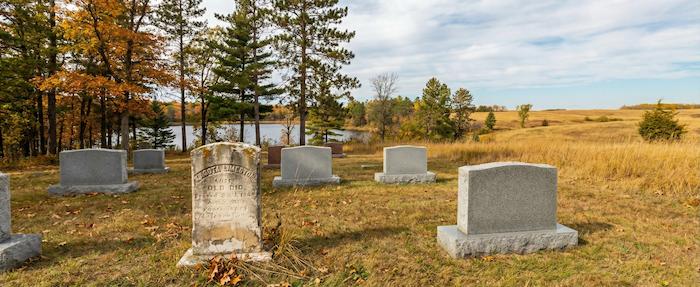
The Deep Freeze and Heaving
Minnesota winters are long and deep. The frost line can drop six feet down. When that much ground freezes, it expands with massive force. It pushes monuments up and out of place.
We see foundations cracked in half and headstones leaning dangerously. You can't just shove them back. The ground below is compromised. For tombstone repair and restoration, we dig out the old, broken concrete. We pour a new, steel-reinforced footer that sits below the frost line. We pack it with gravel. This drains the water away so the frost can't grab the footer and heave it up again.
Cleaning St. Cloud Granite
You see St. Cloud granite everywhere in this state. It is tough stone, usually gray or red. But that traditional "rock pitch" (rough) edge is a problem. The jagged texture catches everything.
Dirt and pollen settle deep into those cracks. A stiff brush is useless here. It just shreds against the sharp rock. We use a biological cleaner that foams up and clings to the stone. It soaks in and kills the growth hiding in the crevices. We rinse it away with low pressure, and that famous St. Cloud sparkle comes back.
Iron Range Rust Stains
Up north on the Iron Range, the soil is red for a reason. It is full of iron ore. When that red dirt splashes onto a headstone, it doesn't just dirty it. It rusts onto it.
Standard soap won't touch rust. If you scrub it, you just grind the iron deeper into the pores. We use a specific poultice for headstone cleaning services in these areas. It draws the iron oxide out of the stone chemically. You watch the rust turn purple, and then it lifts right out of the pore. We wash it away without hurting the granite polish.
Moss Near the Lakes
With 10,000 lakes, the air here is always heavy. That moisture is fuel for moss. In shaded cemeteries near the water, it forms thick green mats on the markers.
Moss keeps the stone wet. That moisture freezes in winter and causes "spalling"—where the face of the stone pops off. We kill the moss at the root. We don't scrape it dry, because that scratches the stone. We treat it, let it die, and then gently brush it off. It keeps the stone dry and stops the freeze damage.
Kasota Stone Erosion
Southern Minnesota is full of Kasota stone (limestone). It is a beautiful, warm yellow stone, but it is soft. Acid rain and decades of weathering eat away at the surface.
We see markers where the names are fading away. A pressure washer destroys this stone instantly. We treat Kasota stone like an antique. We use soft brushes and a gentle cleaner. We get the mold out of the lettering so the name pops, but we don't scrub the face raw. The stone needs to keep its age.
Road Salt Damage
Twin Cities roads are white with salt all winter. That salt dust drifts into the cemeteries. It settles on the monuments and eats into the polish.
On bronze markers, salt causes rapid green corrosion. On granite, it leaves a hazy etch. We wash the winter salt off as soon as spring comes. We use a neutralizing wash to stop the chemical reaction. For bronze, we apply a fresh coat of wax to seal the metal against the next winter's salt spray.
Maple Sap and Tar
Maples are common here. They drip sticky sap in the spring. Dust sticks to that sap, and the sun bakes it into a black tar.
It looks like black paint splattered on the stone. You can't chip it off. We use a solvent cleaner for cleaning stone gravestones. It dissolves the sap back into a liquid so we can wipe it clean. We get the sticky mess off without dulling the finish underneath.
Grass and Weed Trimming
Summer in Minnesota is short and green. Grass grows incredibly fast. Cemetery crews mow constantly, and they often hit the stones or leave wet clippings piled against them.
Those clippings rot and stain the base green. As part of our grave site cleaning services, we remove that organic debris. We hand-trim a clean border around the stone. This keeps the moisture away from the base and discourages the mowers from getting too close.