Frost Heave in Plymouth's Glacial Till
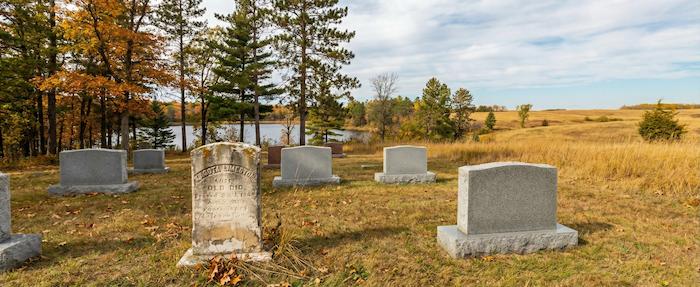
Glacial till covers most of the ground under Plymouth's cemeteries, a heavy mix of clay and rock that traps water instead of letting it drain. That trapped moisture heaves monuments out of level every winter and leaves flat markers sinking into soft ground near the lakes. Families who search for headstone cleaning services near me in Plymouth usually call Tending once a stone has already tipped, sunk, or turned chalky white from irrigation mineral buildup. Tending carries a $2,000,000 liability policy and is a member of ICCFA, the industry's leading cemetery and funeral association.
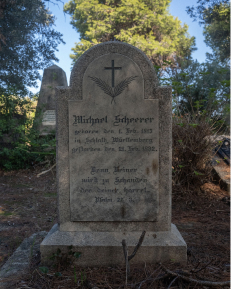
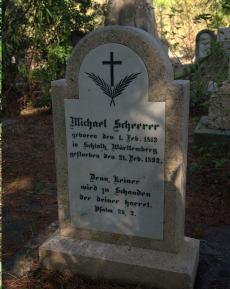
Glacial till doesn't drain the way sandy soil does. It's a dense mix of clay and rock left behind by the last ice age, and it holds water like a sponge instead of passing it down to bedrock. When a Minnesota winter drives frost several feet into that saturated clay, the ice expands and pushes upward with enough force to move a monument's entire foundation.

That force grabs the concrete footing and shoves it sideways, tipping a monument a little further off level with each passing winter. Headstone repair and restoration here means digging past the frost line and backfilling with coarse gravel, so water can drain away instead of freezing against the footing and lifting the stone again.
The next two sections cover the specific soil and water problems this crew addresses most often in Plymouth, along with what each one takes to fix. None of it involves shortcuts that damage the stone faster than proper care would.
"Customer service is top notch and the finished work product is excellent. My grandparents headstone is looking like new. Definitely recommend their service"
— Joyce, Tending Client
Sinking Near Medicine Lake and Parker's Lake
The water table sits close to the surface around Medicine Lake and Parker's Lake, and the ground there stays soft for most of the year. A granite marker weighing several hundred pounds settles into that soft ground gradually, dropping a fraction of an inch at a time until the base disappears below the sod.
Grass grows over the buried edges long before anyone notices the marker is off level, and by the time a family reports it, the stone is often leaning as well as sinking. Tending's crew clears the sod back, lifts the marker, and packs a deep bed of crushed rock underneath so the stone sits above ground instead of sinking back into it.
Calcium and Iron Film from Summer Sprinklers
Cemetery sprinkler systems around Plymouth run heavily through the summer to keep the grass green, and the groundwater feeding them carries a heavy load of calcium and iron. Every watering cycle leaves a thin mineral residue on any stone within reach, and that residue builds layer by layer over a season.
The buildup turns polished granite a dull, chalky white, and it won't come off with a garden hose or a scrub brush - scraping at it only scratches the polish underneath. We use a chelating solution that lifts the mineral deposits without etching the granite, then rinse the surface until the original polish shows through again.
Plymouth cemeteries also have bronze memorial plaques that oxidize in this same wet clay, turning green or streaky within a few years, and older markers with lettering worn too shallow to read clearly. Both problems fall under the same headstone restoration work Tending handles across Plymouth: bronze marker restoration reverses the oxidation, and headstone lettering repair re-cuts or refills lettering so it reads clearly again.

Service Costs in Plymouth
Pricing runs through our online calculator. You choose the monument type and a care plan, and the calculator returns a fixed price right away, with no in-person visit and no separate quote to wait on. The three options below match the problems most common to Plymouth's clay soil, its lakeside cemeteries, and its hard irrigation water, and each is priced as its own monument restoration service.
- Foundation Reset: Digging past the frost line and leveling monuments heaved by glacial till.
- Marker Raising: Lifting sunken markers near Medicine Lake and Parker's Lake and resetting them on crushed rock.
- Scale Removal: Clearing hard water mineral buildup left by cemetery irrigation systems.