
The State of Third-Party Grave Care Services in the US: Pricing, Coverage, and Quality Gaps
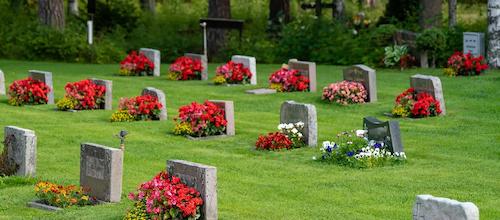
Over the past decade, cremation has become more common in the United States. Today, the national cremation rate is already in the low 60% range and continues to grow. But this shift does not mean cemeteries are becoming less important. A large share of cremated remains still end up in cemeteries. Roughly four in ten cremations are buried or interred with an individual marker or placed in a columbarium.
Cremation often changes how someone is laid to rest, but not the family’s need for a physical place of remembrance.
At the same time, there are well over a hundred thousand cemeteries across the country, from tiny rural churchyards to large urban memorial parks. These burial grounds hold generations of graves that need care long after the funeral is over. When people search for third-party grave care services in the US, they are usually looking for independent providers who can care for a specific grave on their behalf.
This growing demand is where today’s market has formed — and where gaps in pricing, coverage, and quality have become clear.
Who Is Actually Responsible for Grave Care?
Most perpetual-care or permanent-care cemeteries operate with a dedicated trust fund. A portion of each plot or burial sale goes into this fund, and the income supports general maintenance of the grounds.
This typically includes:
- Mowing lawns and trimming edges
- Maintaining roads, walkways, and fences
- Caring for trees and landscaping
- Keeping shared areas safe and accessible
What this funding usually does not cover is the individual grave itself. Cemetery contracts often define perpetual care as grounds maintenance — not lifetime care of a specific headstone.
Families frequently discover that:
- Cleaning the monument is still their responsibility
- Repairing leaning or damaged stones is not included
- Flowers and personal items may be removed by staff
This is where the confusion begins. To many families, “perpetual care” sounds like a promise that their loved one’s memorial will always be cared for. Years later, they may arrive to find a stained or tilted stone and feel let down. From the cemetery’s perspective, they are doing exactly what the contract outlines — maintaining the grounds, not the monument.
This expectation gap is one of the main reasons third-party grave care services exist today.
Why Third-Party Grave Care Exists
Modern families are more mobile than ever. Children move to other states or countries. Older relatives may no longer be able to drive or travel long distances. Even families who live nearby often struggle to fit cemetery visits into their busy schedules.
At the same time, many graves belong to people who passed decades ago. Because perpetual care stops at shared spaces, the monument itself is left to families.
Third-party providers step in at this exact intersection. Families are essentially saying, “We care, but we can’t always be there.”
Common reasons families seek help include:
- Living far from the cemetery
- Physical limitations due to aging or illness
- Busy work and family schedules
- Wanting graves cared for on important dates
Distance does not reduce emotional connection. If anything, it increases the need for reassurance that someone is watching over the memorial.


What Third-Party Grave Care Providers Do
Services vary, but most include a mix of cleaning, upkeep, and light restoration. This often means removing dirt, biological growth, and surface staining from headstones using safe methods.
Common services include:
- Gentle headstone cleaning
- Light inscription touch-ups
- Removing leaves and debris
- Basic weeding and edging
- Seasonal flowers or decor placement
For families who live far away, photo reports are often included. These show the condition of the grave before and after each visit, along with notes if repairs are needed.
More structured providers, such as Tending, package these services into organized plans. Families can order care online, receive photo proof, and choose between one-time cleanings or recurring maintenance schedules.
Pricing: What Families Can Expect
There is no national pricing standard. Costs vary based on location, cemetery rules, and service level.
Typical ranges:
- One-time headstone cleaning: $100–$250
- Regular cleaning (3–4 visits per year): $90–$120 per visit
- Basic gravesite grooming (debris cleanup, tidying, light edge trimming): $30–$80
- Flower/seasonal decor placement with cleanup: $50–$150
Ongoing plans often reduce the per-visit cost, especially when care is scheduled quarterly or seasonally.
Pricing depends on:
- Travel distance
- Size and material of the stone
- Condition of the memorial
- Frequency of visits
- Custom requests or rush service
Two providers may look similar online, but charge very different prices based on their standards and operating model.
Coverage: Many Cemeteries, Few Specialized Providers
The US has an enormous number of cemeteries and graveyards, but relatively few professional providers focused solely on grave maintenance services.
In cities, families may find several options. In small towns, there may be only one provider — or none at all. Rural families often rely on relatives or volunteers.
Platforms like Tending help bridge this gap by building national networks of trained specialists. This makes professional care possible even in areas without local companies, though the market remains fragmented.
Why Some Cemeteries Push Back on Third-Party Decor
Families are often frustrated when cemeteries remove decorations or limit outside vendors. But there are practical reasons behind these rules.
Common issues include:
- Decorations left indefinitely
- Items interfering with mowing
- Broken or weather-damaged decor
- Safety hazards
Over time, this creates cleanup costs and risks. In response, cemeteries may tighten policies or require approval for all outside services. This is usually about safety and upkeep — not discouraging remembrance.

Quality Matters More Than Ever
Damage often happens when people use harsh chemicals or pressure washers. Experts strongly warn against these methods.
The real issue usually begins with long-term neglect. Heavy buildup forms over years, making safe cleaning more difficult.
A healthier approach includes:
- One professional deep clean to reset the stone
- Ongoing light maintenance visits
- Regular condition checks
This prevents future damage and keeps inscriptions readable without aggressive treatment.
Perpetual Care Myths
Across the industry, a pattern is appearing:
- Cremation is rising, but cemeteries remain central
- Perpetual care covers grounds, not monuments
- Families often misunderstand this distinction
- Distance makes personal visits harder
This creates a gap that independent providers now fill.
A Cooperative Model
For third-party care to work long term, providers must cooperate with cemeteries. Tending follows this model by:
- Following cemetery rules
- Using approved decoration methods
- Removing seasonal items on schedule
- Training insured specialists
Families manage everything remotely, turning traditional care into remote grave maintenance that works anywhere.
Where the Industry Is Going
Clear trends are emerging:
- More families choosing scheduled care
- Growth of insured professional networks
- Better transparency around responsibilities
- Stronger partnerships with cemeteries
Final Takeaway
Perpetual care maintains shared cemetery spaces. Third-party grave care services focus on individual memorials.
Used together, they meet different needs.
For families who value visibility and consistency, structured providers like Tending offer a way to keep loved ones’ graves cared for — even when visits are difficult.