Permafrost and Ground Shifts
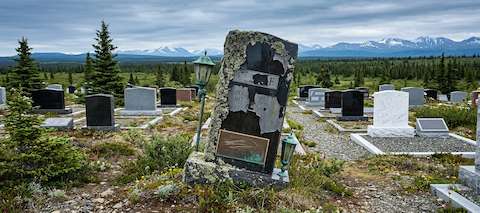
The ground up here moves. Permafrost shifts constantly. The top layer thaws into mud during the short summer. Heavy granite monuments sink. You walk through a cemetery in Anchorage or Fairbanks and see rows of leaning headstones. Adding topsoil does nothing. The next freeze just pushes it out of the way.
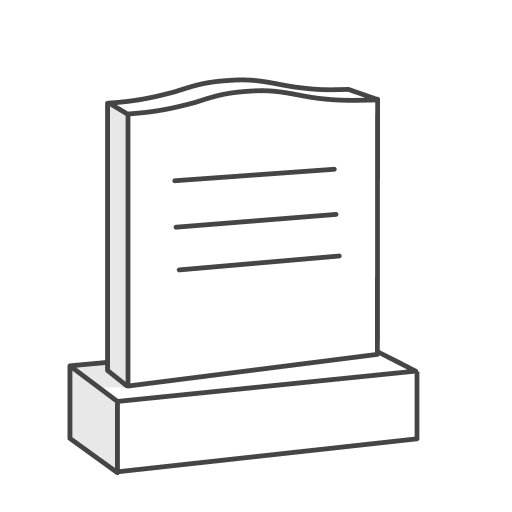
We bring in tripod hoists. You can't just push a two-ton block of granite back into place. We lift the die, remove the base, and dig out the failed dirt base. We pack the hole with sharp, heavy gravel. This drains the water away before it freezes. We set the stone flat. It stays flat. If you need reliable grave site cleaning services, leveling is always the first step. You cannot maintain a stone that is about to fall face-first into the mud. We secure the foundation first.
Deep Freeze Flaking
Snow sits on these markers for eight months. The stone stays wet. Then the temperature drops to thirty below zero. The water inside the rock freezes. It blows the face off the granite or marble. You lose the dates. You lose the name. The surface just flakes away in thin sheets.
If the face is already gone, we have to act. We grind the flaked surface down to solid rock. Then we match the original font and re-engrave the letters on-site. To stop it from happening again, we dry the stone completely. We apply a heavy-duty siloxane treatment. It seals the pores and keeps the slush out. Proper headstone cleaning and restoration in this climate means keeping the water out of the stone. We lock the moisture out so the ice cannot break the rock apart.
Hardened Tundra Lichen
Cold weather does not kill lichen. It thrives in it. It roots right into the pores of a marble or granite marker. It forms a thick, hard crust. It eats the calcium in marble and leaves tiny craters behind. You take a stiff brush to it, you just smear it around. Or worse, you scratch the polish.
We do not scrub blind. As part of our grave stone cleaning services, we spray a specialized biocide directly on the growth. It targets the root system. The lichen dies, dries up, and releases its grip. We rinse it away with low pressure. We flush those craters with a mineral binder so the stone doesn't trap water. We leave a residual barrier behind so the spores cannot take hold again next season.
Blown Out Lettering
Standard paint fails in Alaska. The extreme cold makes factory enamel brittle. The ice gets behind the paint inside the engraved letters and snaps it off. The monument ends up blank and unreadable.
We restore the text. We clear out the old, chipped paint flakes with detail picks. We clean the grooves. We use a torch to dry the stone completely before applying primer. If you trap even a drop of condensation under the paint, the enamel will pop right off in November. Then we apply industrial-grade monument enamel. It stays flexible in sub-zero temperatures. It bonds tight to the granite. The names and dates stand out clearly again. A good headstone maintenance service keeps the family history visible, no matter how brutal the winter gets.
Ice Scraping Damage
Families try to clear snow and thick ice off flat markers with metal shovels or hard plastic scrapers. People think bronze is tough. It is, but the dark patina is just a chemical finish. A cheap snow shovel strips that finish right off, leaving bright, shiny brass scratches. We see deep cuts right across memorial plaques every spring.
We fix the physical damage. We use diamond resin pads to buff out the scratches on the granite. We blend those scratches on the bronze out with a localized acid wash and seal it with micro-crystalline wax. When we handle cemetery cleaning stones, we clear the ice safely. We use soft bristle sweeps and targeted melting mats. We never hit a frozen stone with a hard tool.
Glacial Silt and Mud Spray
In the Mat-Su Valley and areas near glacial rivers, the wind picks up fine silt. Rain turns this silt into a thin mud mask on the headstones. When it dries, it bakes on like concrete. You wipe it with a rag, and you just grind the silica dust into the polish.
We don't wipe. We saturate the stone with a heavy foaming detergent. The foam lifts the grit off the surface. Then we rinse it away safely.
Coastal Salt Pitting
Down in Juneau or Sitka, the ocean wind brings heavy salt. It coats the markers. It eats the factory polish. The stone turns dull and gray. You notice it immediately on black granite. It looks faded and old. The salt also works its way into the joints between the base and the die. It breaks down the setting compound.
We wash the salt crust off with a chemical rinse. We do not use high pressure. We rake out the old putty and reseal the joint with structural epoxy. Then we restore the contrast. We apply a commercial color enhancer. It penetrates the dry, pitted surface. The black granite looks deep black again.
Bronze Plaque Separation
Many veterans have bronze plaques bolted to granite bases. At fifty below zero, bronze and granite shrink at different rates. The tension snaps the brass anchor bolts. You find the plaque lying in the snow.
We drill out the broken bolts. We install new stainless steel anchors and set the plaque back on a flexible bed of monument grade silicone. It holds tight and absorbs the thermal shock.