The "Purple Pipe" Stain
Irvine is famous for being immaculate. But keeping those lawns green requires aggressive irrigation using recycled water. That water is loaded with salts and chemicals. When it hits a hot granite marker, it doesn't just dry; it calcifies.
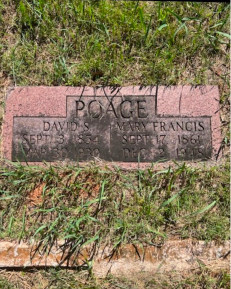
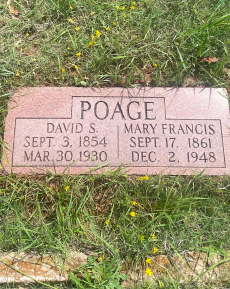
It creates a hard, white haze that obscures the lettering. We call it "irrigation armor." Soap is useless against this bond. You need professional cleaning stone gravestones chemistry to dissolve these mineral salts safely. We melt the crust away to reveal the dark polish underneath.
Recycled water is heavy with solids. When it hits a 100-degree marker, it cooks instantly. This fuses a layer of mineral rock directly to the granite. Unlike standard hard water spots, these purple-pipe deposits build up into a thick scale that buries the engraving.
Never use scrapers or pumice stones. You will scratch the mirror polish permanently. Physical force destroys the finish. Our grave site cleaning services rely on a specific descaler. It liquefies the hard crust on contact. We rinse the residue away without scrubbing, bringing back the natural stone surface safely.
Industrial Mower Tracks
Because most markers here are flat to accommodate the view, maintenance crews drive right over them. We see it constantly: black rubber tire marks burned into the stone by hot mower wheels.
This rubber residue mixes with the engraving paint. If you are searching for headstone cleaning services near me because the marker looks dirty and abused, it is likely mower damage. We use specialized degreasers to lift the rubber stains and re-edge the grass to create a buffer zone.
Commercial mowers are heavy. When they pivot on a flat marker, the friction heats the tire rubber. It vulcanizes onto the stone face. This leaves a stubborn, black smear that resists standard cleaning. The weight also cracks concrete collars and sinks the marker.
Our protocol attacks the rubber chemically. We apply a solvent poultice that softens the rubber residue. It lifts the black marks without damaging the lithichrome paint used in the lettering. Once cleaned, we check the grade. If the mower weight has sunk the stone, our tombstone repair and restoration team lifts and resets it on a stable base.
The Marine Layer Mold
Even this far inland, the marine layer rolls in. It traps moisture against the stone every morning. By noon, the sun bakes it. This cycle creates a perfect incubator for black mildew inside the letters. Our grave site cleaning services use biological inhibitors to kill these spores at the root, stopping the stone from turning dark and dingy.
This isn't surface dirt; it is a biological colony living inside the porous engraving grooves. Scrubbing merely spreads the spores. We use a deep-penetrating biocide that is safe for stone. It kills the root system of the mold. We flush the engravings, returning the inscription to a crisp, clean state. This treatment keeps the memorial legible and resists regrowth for months.