Seneca Lake Thermal Plume
Bathymetry defines the thermal profile. Seneca Lake depth (600+ ft) creates a heat sink. The water mass resists freezing. Evaporation is continuous.
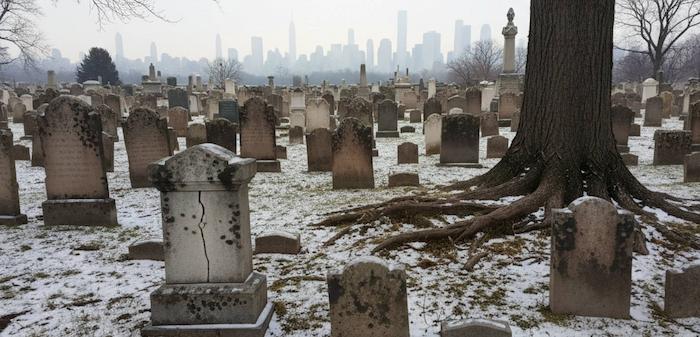
Sub-zero air temperatures collide with this vapor. Humidity saturation occurs. Granite markers absorb the moisture. Nighttime freezing follows. Ice expansion exerts 2,500 PSI of internal pressure. The stone matrix fails. The face shears off (Spalling). Searching for headstone cleaning services near me often leads to pressure washing. This forces more water into the freeze zone. We use hydrophobic sealers. They line the pores. Liquid entry stops.
Nursery Industry Agrochemical Loading
Horticulture drove the local economy. Soil amendments were heavy. Nitrate and phosphate saturation is documented. Runoff enters Glenwood Cemetery.
Nutrient availability accelerates biology. Gloeocapsa magma (black algae) and moss colonization is rapid. Rhizoids (roots) drill into the stone. They excrete oxalic acid. This etches the polish. We use professional cleaning stone gravestones chemistry. Quaternary ammonium biocides terminate the root system. The biomass detaches. The biocide residue prevents regrowth.
Geneva Foundry Heavy Metal Fallout
Metallurgical processing defined the soil chemistry. The Geneva Foundry released heavy metal flux. Particulate loads include lead and arsenic. Ground concentrations exceed background levels.
Lead dust oxidizes on marble. It creates stubborn grey/black staining. Iron particles create rust streaks. Standard cleaners fail. They cannot break the metal-ion bond. We use specialized grave site cleaning services. We use chelating agents (EDTA). These chemicals sequester the metal ions. They pull the contamination out of the stone pores. We rinse it away safely.
Devonian Shale Delamination
Local geology is soft Devonian Shale. Markers in Washington Street Cemetery use this stone. Structure is sedimentary/laminar.
Water saturates the bedding planes. Freeze-thaw cycles act as a mechanical wedge. The layers separate. The stone peels like a book ("Delamination"). Power washing destroys these markers instantly. We use ethyl silicate consolidants. These liquid binders soak into the stone. They re-glue the silica matrix. They stop the peeling.
Limestone Acid Dissolution
Regional air quality includes industrial drift (Acid Rain). Local limestone markers are calcium carbonate.
Acid reacts with the calcium binder. The byproduct is gypsum. The surface becomes sugary ("Granular Disintegration"). Inscriptions lose definition. We use consolidation treatments. These restore the stone's hardness. They prevent further loss of detail.