
Atlantic Salt Load
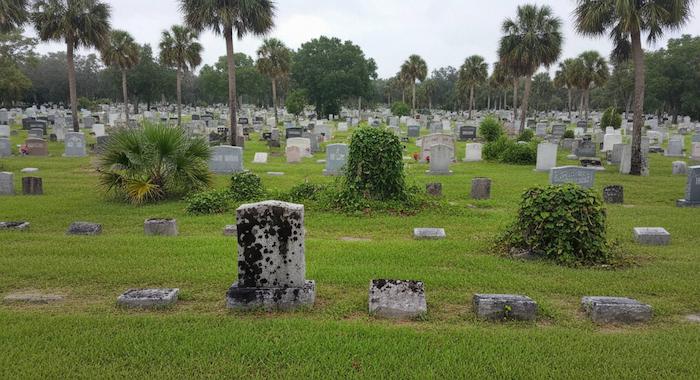
Lake Worth Beach takes direct wind from the Atlantic. The air is heavy with salt spray. This brine settles on granite markers. The porous stone absorbs it. It stays wet deep inside.
The sun dries the stone. The salt stays behind. It turns into crystals inside the rock. These crystals expand. They push against the stone from the inside. The face pops off (spalling).
Searching for headstone cleaning services near me often suggests pressure washing. Dangerous. It drives salt deeper. We use specialized grave site cleaning services. We use a desalination poultice. It pulls the salt out chemically. This stops the cracking.
Coastal Sand Washout
The soil here is loose coastal sand. It drains fast but shifts easily. Heavy tropical rain turns the ground into a slurry. Water rushes under concrete foundations. It takes the sand with it.
The monument tips. It floats on air. Adding dirt fails; it washes right out. For lasting tombstone repair and restoration, we stabilize the sub-base. We excavate the loose sand. We install angular gravel. The rocks lock together. They create a friction pile. This supports the weight, even in loose sand.
Lagoon Humidity Trap
The Intracoastal (Lake Worth Lagoon) runs along the city. It acts as a humidity generator. The moisture hangs over the cemeteries. It does not burn off. Granite markers absorb this dampness.
This feeds Gloeocapsa magma (black algae). You see a black skin on the stone. It traps heat. We use a biological soaking agent. It penetrates the rock safely. It kills the algae cells chemically. The black crust lifts off.
Bronze Chloride Pitting
Salt air destroys bronze markers. It eats the factory clear coat. The copper reacts with chlorides. It turns green and chalky. This is "Bronze Disease."
It pits the metal lettering. We use strict cleaning protocols. We strip the dead coating. We neutralize the corrosion. We heat the metal and reseal it with marine-grade clear coat. This blocks the salt air.