Intracoastal Salt Load
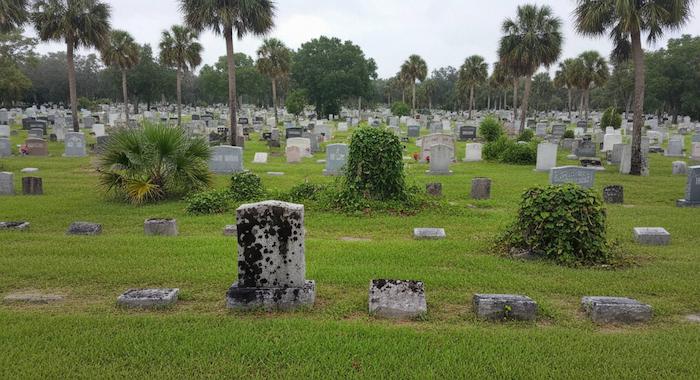
Palm Beach Gardens borders the Intracoastal. The air is heavy with salt. It settles on the granite. The stone absorbs the brine. It stays wet inside. This constant dampness feeds Gloeocapsa magma (black algae).
You see a dark, oily film. It traps heat. It ruins the appearance.
Searching for headstone cleaning services near me often points to pressure washing. That is a mistake. High pressure drives salt crystals deeper into the stone. They expand and crack the granite face. We use specialized grave site cleaning services. We use a desalination poultice. It draws salt out chemically. It kills the algae roots. The stone dries out.
Reclaimed Water Glaze
The city uses recycled water for sprinklers. It is full of minerals. The sun cooks this water onto the stone. It leaves a hard white scale.
This mineral haze covers the polish. Scrubbing scratches the stone face. We use professional cleaning stone gravestones chemistry. We apply a buffered cleaner. It dissolves the mineral deposits safely. We rinse them away. The mirror finish returns.
Coastal Sand Subsidence
The soil here is loose coastal sand. Heavy rain turns it into mud. Heavy monuments sink into this wet ground.
The marker drops below the grass line. Sod grows over it. Adding topsoil is useless; the stone pushes it down. For lasting tombstone repair and restoration, we stabilize the sub-base. We excavate the loose sand. We install angular gravel. The rocks lock together. They create a friction pile. This supports the weight, even in wet soil.
Bronze Chloride Pitting
Salt air eats bronze markers. It destroys the clear coat. The copper reacts with chlorides. It turns green and chalky. This is "Bronze Disease."
It pits the metal lettering. We use strict cleaning bronze cemetery markers protocols. We strip the dead coating. We neutralize the corrosion. We heat the metal and reseal it with marine-grade clear coat. This blocks the salt air.