Highway 2 Diesel Smog and Calcium Hydroxide Solvents
Highway 2 carries heavy agricultural transport across the Blackfeet Reservation. Diesel exhaust settles over the prairie burial grounds. Rocky Mountain winds push dust into the industrial soot. The sun bakes this mixture. A solid hydrocarbon crust covers the granite markers. The thick soot hides the engraved details. Retail soaps fail against this barrier. Field technicians apply calcium hydroxide solvents. The alkaline chemical breaks the lipid chains. Crews blast the stones with pressurized hot water. The dark sludge melts. The polished rock emerges. We execute headstone cleaning Blackfeet Reservation.

Two Medicine River Moisture and Potassium Sorbate Biocides
The Two Medicine River valley traps cold morning moisture. This dense fog blankets the historic marble headstones. The continuous dampness feeds green crustose lichen. The biological colonies drive microscopic roots into the porous stone. Fungal acids consume the structural calcium. The green crust buries the names. Hard brushes scratch the fragile antique marble. We dispense potassium sorbate liquids. The chemical agent breaches the cellular walls. The organism dies. The organic matter crumbles into dry powder. Strong winds clear the debris. We provide grave site cleaning services.
Prairie Bedrock Frost Heave and Titanium Dowels
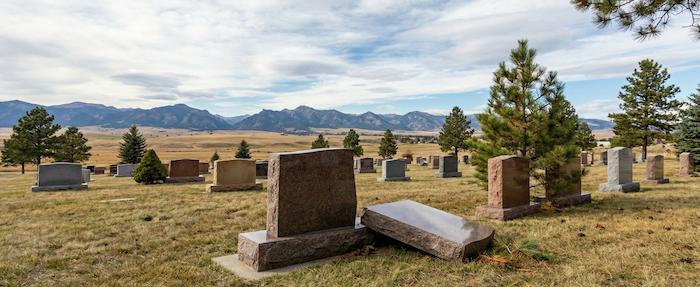
The local topography features shallow prairie bedrock and loose topsoil. Extreme winter blizzards freeze the ground solid. Subterranean ice expansion exerts massive pressure. The geological heave fractures concrete monument foundations. Spring thaws leave empty underground voids. Heavy granite blocks tilt sideways. The uneven base creates an unsafe environment. We manage cemetery monument foundation lifting. Mobile cranes hoist the unstable die stones. Workers excavate the volatile dirt. Technicians drill high-tensile titanium dowels into the bedrock. Crews pour crushed dolomite over the structural matrix. Heavy tampers compress the rock bed. The new foundation stops vertical movement.
Conifer Tannins and Sodium Percarbonate Poultices
Native pines and prairie grasses surround the older cemetery sections. The vegetation drops wet debris over flat markers. The dead biomass leaches dark brown tannin dyes into the stone. Tree sap hardens into stubborn amber droplets. Field workers mix sodium percarbonate poultices. The wet paste covers the brown stains. Chemical oxidation extracts the deep pigment. Technicians pour benzyl benzoate extracts over the sap lumps. The heavy solvent melts the cured resin. Crews wipe the bare stone clean. The bright stone color reappears. We perform comprehensive cemetery plot maintenance.
"This is my first experience, and they have entrusted me with their loyalty. No question goes unanswered, and their delivery and performance are excellent."
— GaryD, Tending Client
Cuprous Oxide Tarnish and Polyamide-Imide Seals
Severe alpine blizzards blast flat bronze military markers. The corrosive snowmelt destroys the protective factory seal. Bare copper alloys react with oxygen. Thick black cuprous oxide covers the military details. We perform bronze memorial refinishing. Field teams spread nitric acid pastes over the metal. Technicians rub the plaque with copper-mesh scouring pads. The mechanical friction eliminates the dark tarnish. The original copper color returns. Workers coat the warm metal with polyamide-imide coatings. The synthetic barrier blocks future winter moisture. The protective film prevents further metal damage.
Alpine Paint Fracture and FEVE Enamel Injection
Sub-zero Glacier County temperatures destroy commercial monument paint. Sudden cold shrinks the factory enamel. The brittle pigment breaks into small pieces. High winds scatter the loose flakes. The carved names disappear. We handle headstone lettering repair. Technicians empty the grooves with tungsten-alloy picks. We remove all dead debris. We inject industrial fluoroethylene vinyl ether enamel into the cuts. The thick liquid fills the engravings. Workers scrape the excess paint off the stone with rubber blocks. The deep contrast restores full readability. The new text withstands harsh prairie winters.

Ice Wedging Deterioration and Polyurea Adhesives
Winter rain floods the horizontal monument joints. Sudden nighttime temperature drops freeze the liquid. The internal ice expansion shatters the original mortar. Wind gusts rock the top granite tiers. The loose stones present a critical hazard. We execute tombstone repair and restoration. Heavy straps lift the upper block. Diamond grinders sheer the failed cement off the base. Field crews dispense aliphatic polyurea adhesives onto the raw rock. We lower the top stone. The tiers fuse. The strong chemical bond prevents future water intrusion.
Project Logistics and Cloud Verification
Blackfeet Reservation operations demand strict logistical parameters. Heavy dolomite transport requires tracked utility carts. Remote burial sites lack municipal water. Our service vehicles carry large water reserves. Customers receive a flat guaranteed price. Families monitor the restoration schedule through our secure digital portal. The digital system ensures transparent client communication. Technicians upload completion photographs via our mobile app. The database archives the project records.
- Smog Degreasing: Calcium hydroxide solvents strip diesel soot generated by Highway 2 transport trucks.
- Lichen Eradication: Potassium sorbate liquids kill aggressive green lichen fueled by Two Medicine River moisture.
- Stain Extraction: Sodium percarbonate pastes pull dark brown pine tannins out of porous stone.
- Foundation Leveling: High-tensile titanium dowels and crushed dolomite stabilize heavy monuments against prairie bedrock frost heave.