
Talc Mining Dust and Tetrapotassium Pyrophosphate
Local talc extraction facilities process heavy minerals constantly. Transport trucks blow ultra-fine silicate powder across the Dillon burial plots. The agricultural valley winds mix this powder with diesel exhaust. The resulting abrasive film bonds tightly to granite headstones. Solar radiation bakes this mixture into a permanent white crust. Retail soaps fail against this industrial barrier. Our field crews deploy tetrapotassium pyrophosphate detergents. The heavy alkaline solution neutralizes the static mineral bonds. Technicians blast the monuments with pressurized steam vapor. The thick silicate sludge melts completely. The polished granite regains full clarity. We execute headstone cleaning Dillon.

Beaverhead River Moisture and Cyanobacteria Control
The Beaverhead River creates persistent morning ground fog. The localized humidity blankets the historic marble markers. Ancient stones absorb the damp atmosphere rapidly. Aggressive black cyanobacteria thrive inside the wet pores. The biological colonies excrete severe digestive acids. This organic waste dissolves the vintage stone structure. Physical scraping destroys the delicate pioneer masonry. Restoration experts apply dichlorooctylisothiazolinone treatments. The advanced biocide ruptures the bacterial cell walls. The dangerous organism dies immediately. Dry high-desert winds clear the dead ash away. We provide grave site cleaning services.
Bentonitic Mudstone Subsidence and Carbon-Fiber Piers
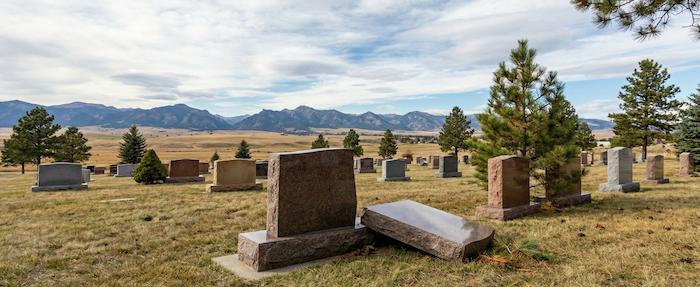
Dillon topography features deep alluvial fan gravel and bentonitic mudstone. This volatile soil expands drastically during spring snowmelt. Sub-zero alpine nights freeze the saturated ground solid. Extreme frost heave pushes heavy concrete bases upward. Springtime thaws collapse the underlying support structure. Massive granite uprights sink dangerously sideways. We manage cemetery monument foundation lifting. Mobile gantry cranes elevate the tilted die stones. Field workers excavate the compromised mudstone entirely. Technicians drive carbon-fiber reinforced piers deep into the trench. Crews pack washed river cobble around the structural shafts. The new rigid footprint stops vertical settlement.
Ranch Irrigation Scale and Gluconic Acid Chelators
Vast ranching operations deplete the local water tables. Municipal cemetery sprinklers pump mineral-dense groundwater over the grass. The automated systems spray the hot granite memorials daily. The intense Montana sun evaporates the moisture instantly. Heavy alkaline scale coats the dark monuments. The opaque crust hides the engraved family tributes. We bypass abrasive scraping entirely. Field teams brush gluconic acid chelators over the deposits. The specific chemical melts the rigid calcium bonds. Technicians flush the plaque with purified water. We perform comprehensive cemetery plot maintenance.
"I was absolutely amazed at what they were able to achieve with the headstones. Aged stones that I had tried to clean personally and got nowhere with looked fantastic. The detail that went with the stones being cleaned was thorough. I ended up having a total of eight stones done because I was so happy with the work. I cannot recommend highly enough!"
— Laverne S, Tending Client
Bronze Oxidation and PTFE Dispersions
Corrosive winter blizzards destroy flat bronze military plaques. The harsh weather strips the factory clear coat. Bare copper alloys suffer extreme oxidation. Thick green cupric carbonate hides the veteran names. We perform bronze memorial refinishing. Field crews rub ammonium thioglycolate pastes across the metal. Technicians polish the surface with fine aluminum-oxide pads. The mechanical friction shears the tarnish away. The bright copper shine reappears instantly. Workers apply liquid polytetrafluoroethylene dispersions over the warm bronze. The synthetic layer repels future acidic snowmelt.
Thermal Enamel Fracture and Fluorinated Polyurethane
Extreme cold snaps ruin commercial monument paint. Sudden sub-zero freezes shrink the factory acrylic enamel. The brittle pigment shatters inside the deep carvings. High Pioneer Mountain winds blow the dry flakes away. The names vanish into the background stone. We handle headstone lettering repair. Technicians clear the empty channels with tungsten-carbide rotary burs. We remove all failed factory residue completely. We inject fluorinated polyurethane enamel into the cuts. The heavy industrial liquid fills the deep letters perfectly. Workers scrape the excess paint flush. The dark text restores full readability.
Ice Wedging Repair and Silane-Terminated Polyurethanes
Winter rain floods the horizontal seams between tall monument blocks. Severe nighttime temperatures freeze the trapped liquid solid. The internal ice expansion shatters the original mortar. Powerful wind gusts rock the unstable upper tiers. The loose blocks create a severe physical hazard. We execute tombstone repair and restoration. Heavy straps lift the upper stone securely. Diamond grinders sheer the failed cement off the base. Field crews dispense silane-terminated polyurethanes onto the raw rock. We lower the top stone. The heavy tiers fuse permanently.
Operational Logistics and Cloud Verification
Beaverhead County operations demand strict logistical preparation. Heavy river cobble transport requires specialized tracked utility carts. Remote rural sites lack municipal water access completely. Our service trucks carry large independent water reservoirs. Clients receive a flat guaranteed price upfront. Families monitor the restoration progress through our secure digital portal. The digital system ensures transparent client communication. Technicians upload completion photographs via our mobile app. The cloud server database archives all digital service records securely.

- Smog Degreasing: Tetrapotassium pyrophosphate detergents neutralize ultra-fine talc mining dust and diesel exhaust.
- Biological Eradication: Dichlorooctylisothiazolinone treatments destroy aggressive black cyanobacteria fueled by Beaverhead River fog.
- Foundation Leveling: Carbon-fiber reinforced piers and washed river cobble stabilize heavy monuments against bentonitic mudstone frost heave.
- Scale Removal: Gluconic acid chelators melt rigid alkaline calcium crusts left by local ranch irrigation systems.