Historic Smelter Ash and Potassium Carbonate Degreasing
The historic Anaconda smelter processed copper ore for decades. The giant stack expelled toxic sulfur and heavy metals. Relentless prairie winds blew this industrial ash across Great Falls. The heavy metals bonded with porous cemetery granite. Extreme summer heat baked this toxic residue. A black impenetrable shell formed over the headstones. Standard retail detergents bounce off this crust. Field technicians mix potassium carbonate blends. The heavy alkaline solution attacks the metallic carbon bonds. Crews strike the stone with high-pressure cavitation nozzles. The dark layer disintegrates. The original factory polish shines. We execute headstone cleaning Great Falls.
Missouri River Fog and Biocidal Eradication
The Missouri River bisects the city. Giant Springs pumps millions of gallons of water daily. This constant water flow generates heavy morning fog. The atmospheric moisture saturates pioneer sandstone monuments. Deep orange crustose lichen feeds on this dampness. Fungal root systems fracture the fragile sedimentary rock. Biological acids destroy the structural minerals. Friction tools ruin the antique markers. Restoration specialists spray polyhexamethylene biguanide formulas. The synthetic chemical ruptures the biological cell walls. The fungal colonies die rapidly. The organic mass turns into dry dust. High winds sweep the powder away. We provide grave site cleaning services.
River Bottom Clay Subsidence and Ductile Iron Piles
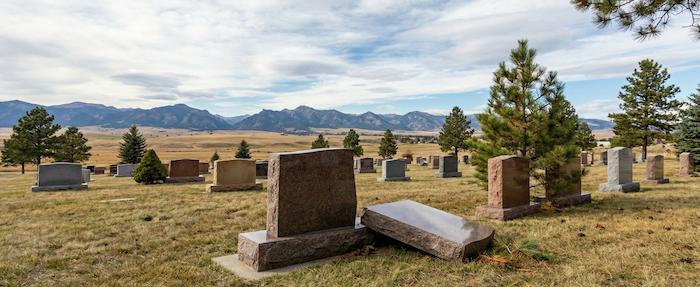
Great Falls sits on deep river bottom clay. The dense prairie soil absorbs spring rain completely. Sub-zero winter temperatures freeze the subterranean water block. The underground ice expands violently. The immense pressure pushes concrete foundations toward the surface. The subsequent thaw leaves empty subterranean pockets. Massive granite uprights tilt into the mud. We manage cemetery monument foundation lifting. Mobile gantries elevate the unstable die blocks. Field crews extract the saturated clay. Technicians install driven ductile iron friction piles into the trench. Workers dump compacted crushed quartzite around the metal shafts. Pneumatic machinery flattens the footprint. The permanent foundation stops vertical movement.
Giant Springs Hard Water Scale and Acetic Acid
Municipal cemetery sprinklers utilize untreated river water. The irrigation systems spray hot granite monuments daily. The water evaporates immediately under the sun. Heavy calcium carbonate scale remains on the rock. The thick white crust hides the engraved family names. Abrasive scrapers scratch the dark stone polish. Field workers brush acetic acid concentrates over the mineral deposits. The targeted chemical dissolves the rigid calcium bonds. The white scale melts completely. Technicians flush the monument with purified water. The bright stone color reappears. We perform comprehensive cemetery plot maintenance.
Copper Oxide Tarnish and Polyurethane-Silicone Seals
Harsh plains blizzards blast flat bronze military markers. Corrosive ice destroys the factory clear coat. The bare copper alloy reacts with airborne oxygen. Thick black copper oxide obscures the veteran details. We perform bronze memorial refinishing. Field teams spread ammonium citrate gels over the metal. Technicians scour the plaque with pumice buffing pads. The mechanical friction shears the dark tarnish away. The raw copper color returns. Workers coat the warm metal with polyurethane-silicone sealants. The synthetic barrier repels future winter ice.

Thermal Paint Fracture and Polyurea-Aliphatic Enamel
Sudden temperature drops destroy factory lettering enamel. The intense cold shrinks the brittle acrylic paint. The rigid pigment fractures inside the carved grooves. High-velocity winds blow the flakes away. The monument text becomes invisible. We handle headstone lettering repair. Technicians clean the channels with cobalt-steel engraving chisels. We remove all failed material. We inject polyurea-aliphatic hybrid paint into the raw cuts. The thick industrial liquid fills the engravings. Workers scrape the excess paint flush. The dark text restores full readability.
Ice Wedging Deterioration and Polyurethane Adhesives
Winter rain floods the horizontal seams between monument tiers. Sudden nighttime temperature drops freeze the liquid. The internal ice expansion shatters the original mortar. Powerful wind gusts rock the top granite blocks. The loose stones present a critical safety hazard. We execute tombstone repair and restoration. Heavy straps secure the upper block safely. Diamond grinders sheer the failed cement off the base. Field crews dispense silane-modified polyurethane adhesives onto the raw rock. We lower the top stone. The blocks fuse permanently.

Project Logistics and Cloud Verification
Central Montana restoration projects require precise logistical planning. Transport of crushed quartzite relies on tracked utility carts. Rural cemeteries lack municipal water access. Our service trucks carry large independent water tanks. Customers receive a flat guaranteed price upfront. Families monitor the restoration progress through our secure digital portal. Technicians upload completion photographs via our mobile app. The database archives the project records securely.
"The peace and the amazing work that this company is bringing to our family is beyond anything I could put into words. My grandparents are buried so far away from where I am now and without this company, the guilt of not being able to get to my grandparents grave would haunt me continually. I am truly grateful to have found this company. Their work and respect they provide to us is immeasurable. Absolute gratitude"
— for Cannon Flowers, Tending Client
- Smog Degreasing: Potassium carbonate blends strip historical toxic smelter ash from granite faces.
- Lichen Eradication: Polyhexamethylene biguanide formulas kill aggressive orange lichen fueled by Missouri River fog.
- Scale Removal: Acetic acid concentrates dissolve thick white calcium carbonate left by mineral-heavy cemetery sprinklers.
- Foundation Leveling: Driven ductile iron friction piles and crushed quartzite stabilize heavy monuments in river bottom clay.