
BNSF Freight Particulate and Hydroxide Degreasing
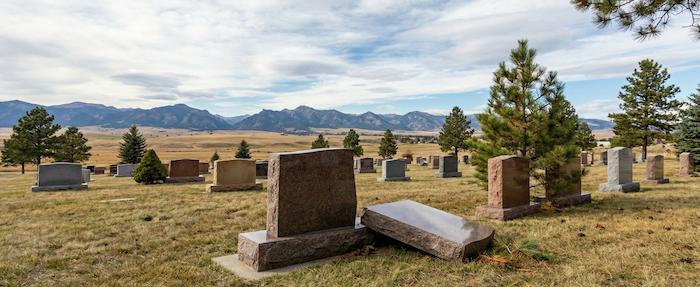
The BNSF railway corridor bisects the Havre municipality. Heavy freight locomotives discharge dense diesel particulate across the Hi-Line. High plains crosswinds drive agricultural silica into the local burial plots. Atmospheric moisture binds this industrial soot to porous granite monuments. Intense prairie sunlight cures the residue into a rigid carbon shell. Retail detergents fail against this synthetic barrier. Field technicians apply potassium hydroxide solvents. The alkaline chemical agent cleaves the dense hydrocarbon chains. High-temperature steam jets blast the melted sludge. The raw stone polish emerges. We execute headstone cleaning Havre.
Milk River Frost and Biocidal Eradication
The Milk River valley generates persistent morning frost and localized humidity. Airborne moisture saturates antique marble headstones. This damp microclimate feeds aggressive yellow crustose lichen. The fungal colonies push microscopic rhizoids into the rock matrix. Acidic biological waste dissolves the structural calcium carbonate. Abrasive brushes tear the fragile historic marble. Restoration specialists dispense didecyldimethylammonium chloride foams. The liquid biocide ruptures the fungal cell walls. The organic mass collapses. Prairie rainstorms flush the dead particulate. We provide grave site cleaning services.
"Tending not only restores headstones, they clean up graveyards. They do a wonderful job and I can’t recommend them highly enough!"
— Beatle, Tending Client
Bentonite Clay Subsidence and Helical Piers
Havre topography features expansive bentonite clay and loose prairie loam. Sub-zero winter freezes expand the subterranean groundwater block. Extreme mechanical frost heave lifts heavy concrete monument bases. Spring snowmelt liquefies the supporting earth. Massive granite blocks sink erratically. We manage cemetery monument foundation lifting. Mobile gantry cranes elevate the submerged stones. Field workers excavate the volatile bentonite clay. Technicians install galvanized helical steel piers deep into the trench. Workers pack crushed basalt over the structural matrix. Heavy tampers compress the aggregate pad. The rigid foundation stops vertical sinking.

Cottonwood Tannins and Hypochlorite Poultices
Native plains cottonwoods and mature elms shade the historic cemetery sections. The broadleaf vegetation drops wet foliage and sticky resin across flat markers. Decomposing botanical matter leaches dark brown tannin dyes into the stone pores. Cottonwood sap hardens into stubborn amber droplets. Field crews mix concentrated sodium hypochlorite pastes. The thick poultice extracts the deep organic stains through chemical oxidation. Technicians apply aliphatic mineral spirits over the sap lumps. The heavy solvent melts the cured resin. Workers wipe the liquefied pitch away. We perform comprehensive cemetery plot maintenance.
Cuprous Oxide Tarnish and Fluoropolymer Sealing
Severe prairie blizzards deposit agricultural chemicals and frozen moisture onto flat bronze military markers. The corrosive snowmelt destroys the factory clear coat. Bare copper alloys experience rapid oxidation. Dark cuprous oxide and green sulfates bury the engraved text. We perform bronze memorial refinishing. Field teams rub sulfamic acid gels over the metal. Fine brass wire pads strip the dark tarnish. Technicians spray ultraviolet-resistant fluoropolymer sealants across the warm bronze. The synthetic barrier repels future winter moisture.
Sub-Zero Paint Fracture and Epoxy-Polyester Injection
Deep sub-zero Hi-Line temperatures freeze the synthetic enamel inside carved monument text. The rigid paint shatters into brittle flakes. Relentless prairie winds blow the loose debris out of the deep grooves. We handle headstone lettering repair. Technicians clear the dead flakes with tungsten carbide picks. Workers inject epoxy-polyester hybrid enamel into the empty channels. Rubber blocks scrape the excess paint off the flat face. The inscription regains sharp visual contrast.
Ice Wedging Deterioration and Polyether Mastics
Meltwater infiltrates the horizontal mortar seams between tiered stone blocks. Extreme overnight temperature drops freeze the trapped liquid. Internal ice expansion shatters the rigid cement. High-velocity prairie winds destabilize the upper granite tiers. We execute tombstone repair and restoration. Heavy lifting straps elevate the top die block. Diamond grinding wheels remove the broken mortar. Field crews flood the open joints with silane-terminated polyether mastics. The massive stones bond permanently.
Logistics and Service Verification
Havre operations demand strict logistical planning. Chemical poultice treatments require scheduled return visits. Ballast delivery across soft bentonite clay mandates specialized track carts. Our service trucks haul independent water tanks. Clients secure a flat pricing structure. Families monitor the project progress through a secure digital dashboard. Technicians upload the timestamped verification photo via our mobile and web app. The cloud database archives the work.

- Smog Degreasing: Potassium hydroxide solvents cleave the synthetic carbon chains of BNSF freight locomotive exhaust.
- Biological Wash: Didecyldimethylammonium chloride foams destroy crustose lichen fed by Milk River moisture.
- Tannin Extraction: Sodium hypochlorite pastes oxidize dark brown cottonwood dyes out of porous granite.
- Foundation Stabilization: Helical steel piers and crushed basalt secure monuments against expansive bentonite clay.