Geothermal Sulfur and Strontium Hydroxide Degreasing
Geothermal vents dominate the South Yellowstone landscape. Continuous sulfuric fog rolls across the border. This toxic mist deposits heavy yellow sulfur crusts onto granite memorials. The acidic layer destroys the factory polish quickly. Standard detergents fail completely against this mineral shell. Our field teams deploy strontium hydroxide solutions. The targeted alkaline chemical neutralizes the sulfur bonds. Technicians blast the monument with high-temperature vapor lances. The yellow crust disintegrates. The dark granite regains its original luster. We execute headstone cleaning South Yellowstone.
"I was absolutely amazed at what they were able to achieve with the headstones. Aged stones that I had tried to clean personally and got nowhere with looked fantastic. The detail that went with the stones being cleaned was thorough. I ended up having a total of eight stones done because I was so happy with the work. I cannot recommend highly enough!"
— Laverne S, Tending Client
Bison Damage and Aluminum Pier Foundations
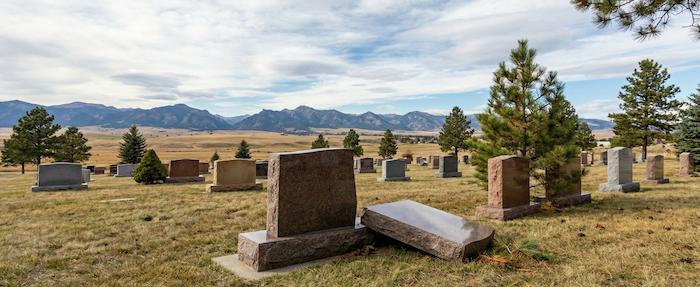
Massive bison herds roam the open cemetery grounds. The heavy animals rub against tall upright monuments. This physical force pushes the granite blocks off the foundations. The local soil consists of unstable hydrothermal clay and pumice. The massive stones sink unevenly into the soft earth. We manage cemetery monument foundation lifting. Mobile gantries elevate the displaced die blocks safely. Field crews excavate the weak volcanic clay. Technicians drive helical aluminum piers into the solid bedrock. Workers dump crushed obsidian aggregate around the metal shafts. The rigid footprint stops future settlement.
Lodgepole Pitch and Magnesium Carbonate Poultices
Dense lodgepole pines surround the historic family plots. The conifers drop heavy pitch directly onto flat markers. The sticky resin solidifies into hard amber droplets. Pine needles leach dark brown tannic acids into the porous stone. Field workers mix magnesium carbonate poultices. We cover the tannin stains with the wet paste. Chemical oxidation draws the deep pigment outward. Technicians pour toluene-methanol blends over the cured sap. The harsh solvent liquefies the pitch. Crews wipe the bare rock clean. We provide grave site cleaning services.
Geyser Silica Scale and Nitric Acid Formulations
Airborne geyser spray drifts across the nearby burial sites. The geothermal water contains extreme mineral concentrations. The hot sun evaporates the liquid rapidly. A thick white silica scale obscures the engraved family names. Mechanical scrapers ruin the smooth stone finish. Restoration experts brush nitric acid formulations over the mineral deposits. The specific chemical melts the alkaline bonds. The thick crust dissolves into a soft slurry. Technicians flush the plaque with pure water. We perform comprehensive cemetery plot maintenance.
Bronze Sulfide Tarnish and Fluorinated Acrylic Seals
Corrosive sulfuric rain degrades flat bronze military plaques. The acidic moisture destroys the factory clear coat. Bare copper alloys suffer rapid oxidation. A dark cuprous sulfide tarnish hides the veteran details entirely. We perform bronze memorial refinishing. Field teams rub potassium sodium tartrate pastes across the metal. Technicians polish the surface with specialized fiberglass pads. The mechanical friction shears the tarnish away. The bright copper shine reappears. Workers apply fluorinated acrylic seals over the warm bronze. The synthetic layer repels future geothermal moisture.
Thermal Enamel Fracture and Polyimide Pigment
Sub-zero alpine freezes ruin commercial monument paint. The rapid thermal shock shrinks the factory acrylic enamel. The brittle pigment shatters inside the deep carvings. High mountain winds blow the dry flakes away. The text vanishes into the background stone. We handle headstone lettering repair. Technicians clear the empty channels with tungsten-rhenium chisels. We remove all failed factory residue. We inject polyimide-amide hybrid enamel into the cuts. The heavy industrial liquid fills the deep letters. Workers scrape the excess paint flush. The dark text restores full readability.

Ice Wedging Repair and Polyurethane-Silane Adhesives
Winter snowmelt penetrates the horizontal seams between tall monument blocks. Plunging nighttime temperatures freeze the trapped liquid solid. The internal ice expansion shatters the original mortar. Powerful wind gusts rock the unstable upper tiers. The loose blocks create a severe physical hazard. We execute tombstone repair and restoration. Heavy straps lift the upper stone securely. Diamond grinders sheer the failed cement off the base. Field crews dispense polyurethane-silane adhesives onto the raw rock. We lower the top stone. The heavy tiers fuse permanently.
Operational Logistics and Cloud Verification
South Yellowstone operations demand strict logistical preparation. Heavy obsidian transport requires specialized tracked utility carts. Remote rural sites lack municipal water access completely. Our service trucks carry large independent water reservoirs. Clients receive a flat guaranteed price upfront. Families monitor the restoration progress through our secure digital portal. The digital system ensures transparent client communication. Technicians upload completion photographs via our mobile app. The cloud server database archives all digital service records securely.
- Geothermal Degreasing: Strontium hydroxide solutions neutralize hard yellow sulfur crusts left by continuous volcanic fog.
- Foundation Elevation: Helical aluminum piers and crushed obsidian aggregate lock sinking monuments into solid bedrock.
- Resin Extraction: Toluene-methanol blends liquefy sticky lodgepole pine pitch from flat markers.
- Bronze Restoration: Potassium sodium tartrate pastes strip dark cuprous sulfide before we apply fluorinated acrylic seals.