The Mist Plume & Hydrostatic Shock
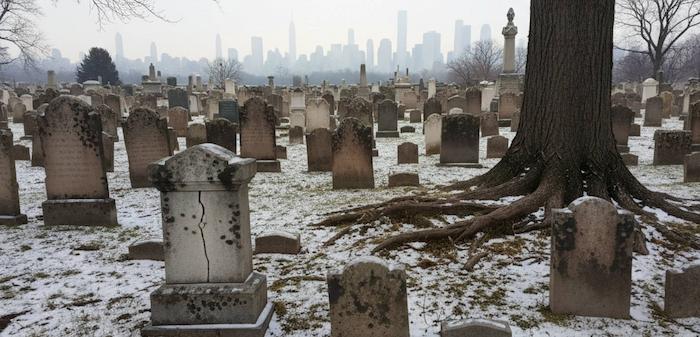
Niagara Falls creates a permanent atmospheric event. The mist plume from the Horseshoe and American Falls drifts over the city. This is not just humidity. It is atomized water. It keeps the granite markers in Oakwood and Riverdale in a state of constant saturation. The stone pores are always full.
Winter arrives. The temperature drops rapidly. That internal water turns to ice. It expands 9% instantly. This creates internal pressure exceeding 2,500 PSI. The stone cannot hold this force. It fractures. The polished face shears off in sharp, jagged flakes (spalling).
Searching for headstone cleaning services near me often leads to pressure washing ads. In this wet microclimate, high pressure is destructive. It forces more water past the stone's natural defense. If a freeze follows, the stone explodes from the inside. We use specialized grave site cleaning services. We utilize low-pressure chemical rinsing and hydrophobic sealers. We keep water out of the pores.
Chemical Industrial Fallout
Niagara County has a heavy industrial history. Chemical processing and manufacturing plants operated here for decades. The exhaust contained sulfur and nitrates. This fallout settled on the cemeteries. It bonded with the stone.
On marble and limestone, this pollution triggers a chemical reaction. It converts the calcium carbonate surface into a black gypsum crust. This is not dirt. It is dead stone holding carbon soot. Scrubbing this crust destroys the inscription details. We use ammonium carbonate poultices. These pastes dissolve the chemical bond. We rinse the black scab away without abrasion.
Escarpment Clay Frost Heave
The region sits on the Niagara Escarpment. The soil top-layer is dense, red glacial clay. This soil holds water. It does not drain. When winter hits, this wet clay freezes.
The ground expands vertically. It lifts the monument foundation (Frost Heave). In spring, the ice melts. The clay turns to liquid mud. The monument drops back down, but it lands unevenly. It tilts. Adding topsoil is a cosmetic waste; the clay heaves again next winter. For permanent tombstone repair and restoration, we stabilize the sub-grade. We excavate below the frost line. We install a friction pile of angular gravel. This breaks the capillary action and locks the foundation in place.
Gorge Wind & Ice Glazing
Winds channel through the Niagara Gorge. They carry freezing rain and sleet. This creates "ice glazing" on the windward side of monuments. This ice layer seals the stone.
This seal prevents the stone from "breathing." Moisture trapped inside cannot evaporate. It freezes and creates micro-cracks behind the polish. We use breathable consolidants. These strengthening agents soak into the stone. They prevent moisture entry but allow vapor to escape. This stops the freeze-thaw cycle from destroying the finish.
Ferrous Pin Failure ("Rust Jacking")
Historic monuments in Oakwood often use iron pins to connect the base and the die. Constant mist penetration rusts these pins. Rust takes up 600% more volume than steel.
This expansion acts like a hydraulic wedge. It splits the granite block from the center out. Rust stains on the base are the first warning. We disassemble the monument. We drill out the corroded iron. We replace it with stainless steel or epoxy dowels. This eliminates the mechanical stress.