Mohawk Valley Hydraulic Spalling
Schenectady winters act as a hydraulic pump. The Mohawk Valley traps humidity. Rain and snowmelt saturate the porous granite markers. The stone acts like a rigid sponge. It holds water deep in the matrix.
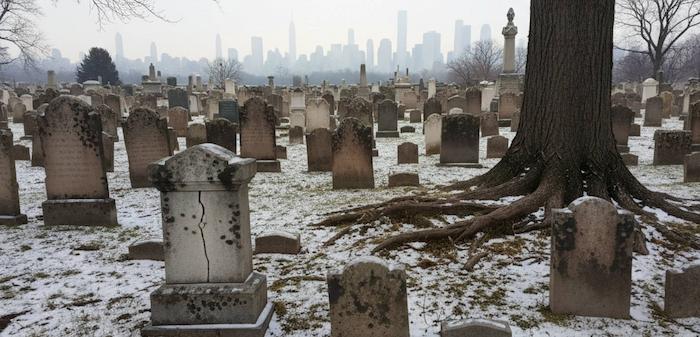
When the temperature snaps to zero, that liquid freezes solid. It expands 9% instantly. This generates internal pressure exceeding 2,500 PSI. The rock cannot stretch. It cracks. The polished face shears off in jagged flakes (spalling).
Searching for headstone cleaning services near me often leads to pressure washing ads. In the Capital Region, this is destructive. High-pressure water drives moisture past the stone's natural defense. If a freeze follows, the stone explodes from the inside. We use specialized grave site cleaning services. We utilize low-pressure chemical rinsing and hydrophobic sealers. We keep water out of the pores.
Industrial "Electric City" Crusts
Schenectady was the "Electric City." General Electric and ALCO ran heavy industry here for a century. Coal smoke and chemical exhaust settled on the cemeteries. Sulfur dioxide mixed with rain to coat the stones.
On marble, this pollution creates a chemical reaction. It turns the calcium surface into a black gypsum crust. This is not simple dirt. It is dead stone holding carbon soot. Scrubbing this crust destroys the inscription details. We use ammonium carbonate poultices. These pastes dissolve the chemical bond. We rinse the black scab away without abrasion.
Sandy Loam Washout & Foundation Tilt
Much of Schenectady sits on river valley deposits. The soil is often sandy loam. It drains fast, but it moves easily. Heavy storms create sub-surface erosion.
Water rushes through the soil. It scours the sand away from under the concrete footer. The foundation loses support on one side. The monument tilts. Adding topsoil is useless; the next rain washes it through the sand. For permanent tombstone repair and restoration, we stabilize the sub-grade. We excavate the sinking side. We install a friction pile of angular gravel. This locks the foundation in place.
Ravine Biological Fouling
Historic Vale Cemetery and plots in Niskayuna are often shaded or built in ravines. Sunlight is blocked. The stone stays wet. This creates a nursery for lichen and black algae (Gloeocapsa magma).
Lichen is aggressive. It digs roots into the stone minerals. It excretes oxalic acid as waste. This acid eats the polish off granite. It dissolves the binder in marble. We use professional cleaning stone gravestones chemistry. We apply a quaternary ammonium biocide. It soaks into the pores to kill the organism. The growth falls off. The biocide stays behind to stop regrowth.
Delamination of Sedimentary Stone
Historic plots often use Sandstone or Brownstone. These are sedimentary rocks. They are built in layers, like a deck of cards. Moisture gets between these sheets.
Freeze-thaw cycles push the layers apart. The stone peels (delamination). If you touch it, the surface crumbles. Standard cleaning destroys these markers. We use ethyl silicate consolidants. These liquid binders soak into the crumbling stone. They harden inside the matrix. They glue the layers back together. This freezes the decay process.