
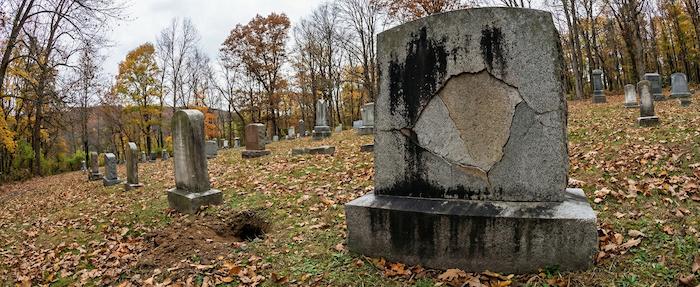
Families searching for headstone cleaning services near me in Williamsport usually notice one of two things: a monument that's sunk or tilted slightly, or a stone gone dark from years next to the river. The West Branch of the Susquehanna has flooded this valley badly enough over the years — in 1889, and again during Hurricane Agnes in 1972 — that a permanent levee system now protects downtown. That same floodplain history still shapes how ground settles under monuments here. Even a well-built base can shift slowly if the soil underneath keeps softening and drying out year after year, long after the water itself has receded.
"I needed three tombstones cleaned and restored, so I did some research and found Nationwide Grave Care & Headstone Cleaning. I emailed them to ask about their services and costs, and they quickly replied and even called to discuss the details. Two of the stones were 19 years old, and the third was at least 30 years old, all in need of cleaning and restoration. After reviewing the different options, I chose the one that best fit my budget and timeline. I was very impressed with their workmanship and how quickly the job was done. The stones looked like new, with all the stains and grime gone, and they even sent me before and after photos. I felt it was a great value for the work done and wouldn’t hesitate to use their service again."
— Douglas Fink, Chester Springs, Pennsylvania
West Branch Floods Settle Old Bases
Cemeteries closer to the river sit on soil that's absorbed floodwater many times over the past century, even with the levee system in place today. Each saturation cycle softens the ground under a monument's footing, and repeated softening lets a heavy base sink or tilt slightly over the years. It's rarely dramatic in any one season, but it adds up on stones that have stood in the same spot for fifty or a hundred years. Heavier granite monuments tend to show it before lighter markers do, simply because there's more weight pressing down on the same softened ground.
We check the base for uneven settling and repack the footing with compacted drainage stone before resetting the monument level. On older upright markers, that's a full headstone restoration and tombstone repair and restoration visit. The ground itself needs stabilizing before the stone will hold its position through the next wet season. We've releveled bases at both Wildwood and Saint Boniface that had drifted several inches out of true over the decades.
River Humidity Feeds Moss and Lichen
The river valley holds more moisture in the air than the surrounding hills do, especially in shaded cemetery sections close to the water. That humidity keeps stone surfaces damp well after a rain has passed, which gives moss and lichen the conditions to spread across granite and marble alike within a season or two of neglect. Flat markers set low to the ground tend to hold that moisture longest, since rainwater has nowhere else to drain.
A D/2 biological solution clears the growth without the scrubbing that would scratch a polished surface. Bronze markers along the same river-facing rows develop a dull green film from the same humidity. Cleaning metal calls for a different product altogether: the same biological solution that's fine on granite would be too aggressive for bronze, so we switch to a milder treatment made for metal.

Flood Silt Leaves Mineral Stains
Even where the levees have held, heavy storms still push runoff and fine silt through low-lying cemetery sections near the river. That silt carries dissolved minerals that dry into a chalky, gray-white deposit across the base of a monument once the water recedes, often settling into the carved lettering first, since letters catch sediment more readily than a flat surface. Older sections of Wildwood and Mount Carmel cemeteries, both within a short distance of the West Branch, tend to need this kind of cleaning most often.
A mild acid-free cleaner lifts the mineral deposit without touching the stone underneath. Where the same silt has packed into carved letters, we clear that through gravestone lettering repair and headstone repair, restoring the depth of the inscription letter by letter until the family name and dates read clearly again.
Service Costs in Williamsport
Every Tending plan in Williamsport is priced through our online calculator once you choose the monument type and care plan you want. There's no visit from a technician before you pay and no quote to negotiate by phone. See pricing for your cemetery, then schedule the first cleaning or set up an ongoing plan from the same page. Many families near the river choose a recurring plan specifically because settling and staining here tend to return within a year or two without regular attention along the lower, river-facing rows.
- Base releveling: excavation and drainage-stone repacking for monuments settled or tilted by repeated floodplain saturation.
- Biological growth removal: D/2 treatment for moss and lichen in river-humidity plots, plus bronze marker cleaning for metal markers.
- Mineral stain and lettering care: acid-free cleaning for flood-silt deposits, with gravestone lettering repair for sediment-packed inscriptions.